Technology
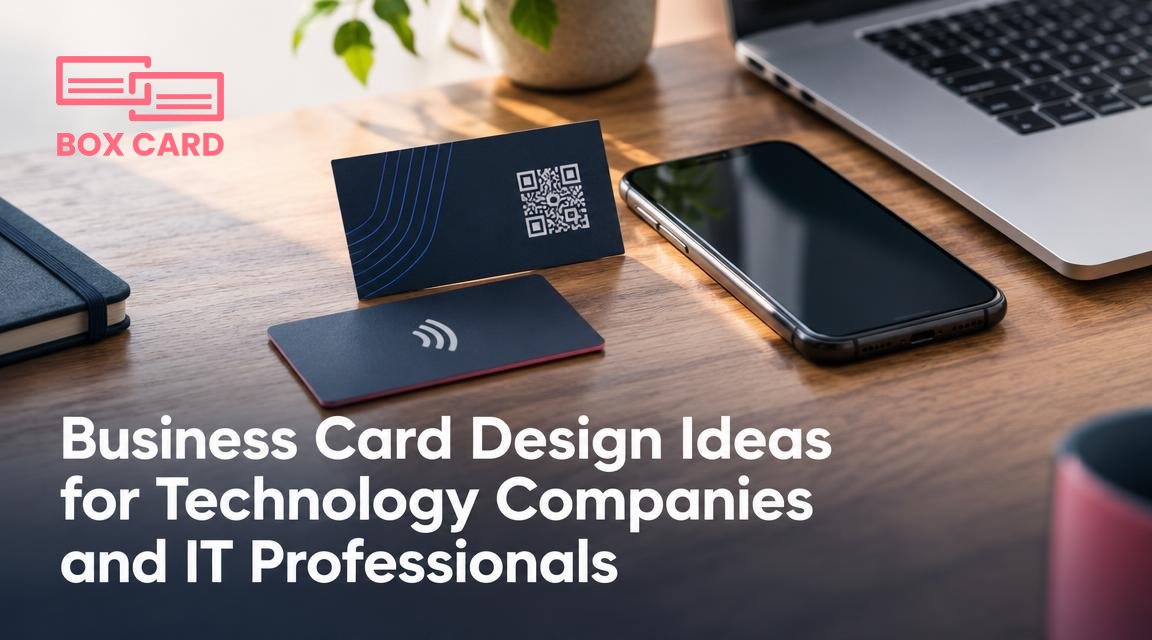
Business Card Design Ideas for Technology Companies and IT Professionals
Design a card with one clear purpose, then match visuals, materials, and interactivity to that goal. Pick a single mobile-ready link, make contact details easy to import, and test a small print run at events before ordering large quantities.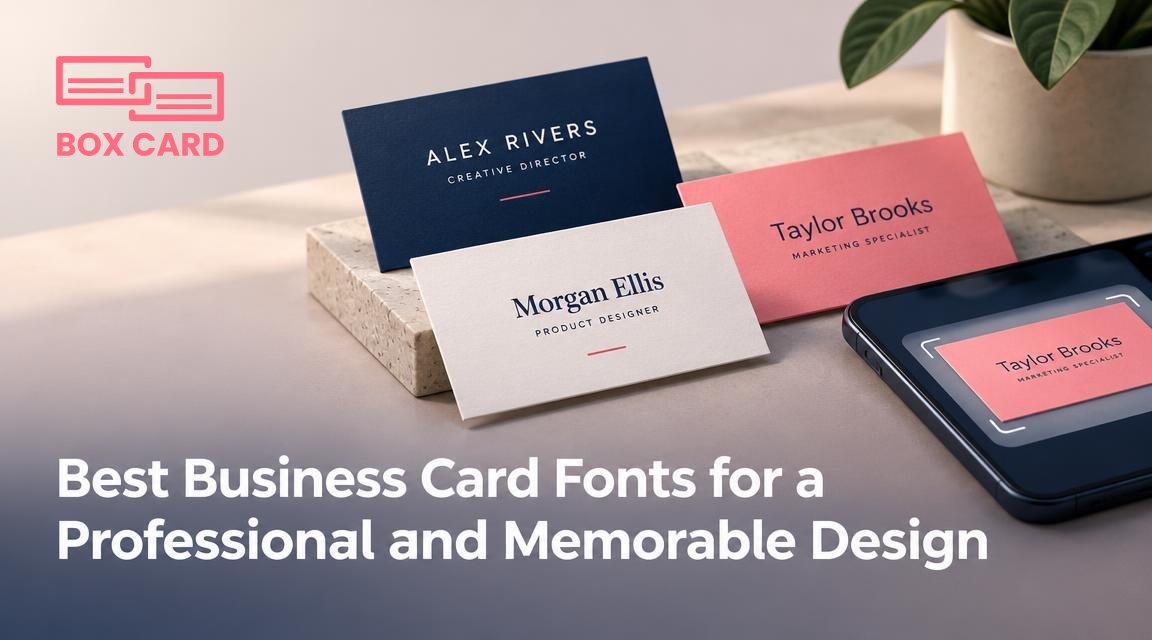
Best Business Card Fonts for a Professional and Memorable Design
Choose typefaces that stay readable at small sizes, reproduce well with your chosen print method, and scan reliably. Test two versions: one for visual impact and one optimized for clarity and OCR.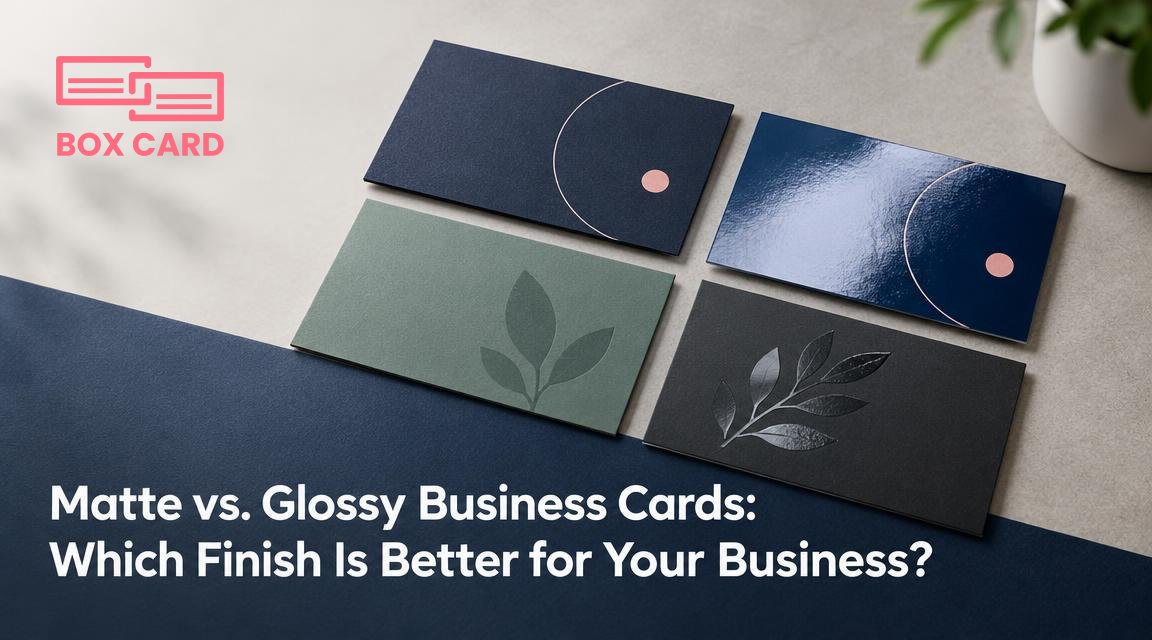
Matte vs. Glossy Business Cards: Which Finish Is Better for Your Business?
Choose a finish based on what the card must do: readability and writing, color and photographic punch, or premium tactile impression. Test physical proofs for writing, scanning, and scuffing before ordering a large run.
Minimalist Business Card Design Ideas for Modern Professionals
Practical, role-specific design templates and a production checklist to create minimalist business cards that read instantly, print reliably, and work with modern digital workflows.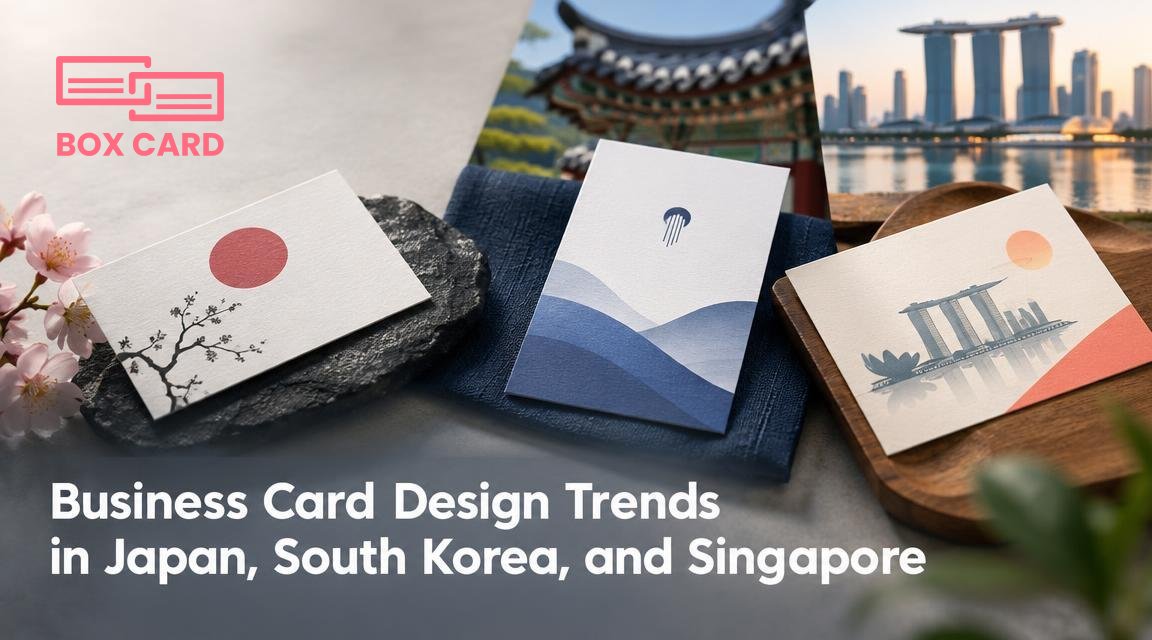
Business Card Design Trends in Japan, South Korea, and Singapore
Design for each market by treating Japan, South Korea, and Singapore as distinct audiences. This article gives concrete visual, typographic, and production decisions you can test before printing a full run.
International Business Card Etiquette: Cultural Differences Every Global Professional Should Know
Practical decision rules that help you choose between paper cards and digital exchanges, how to present and receive cards in common situations, and specific follow-up templates to use within 48 hours or one week depending on formality.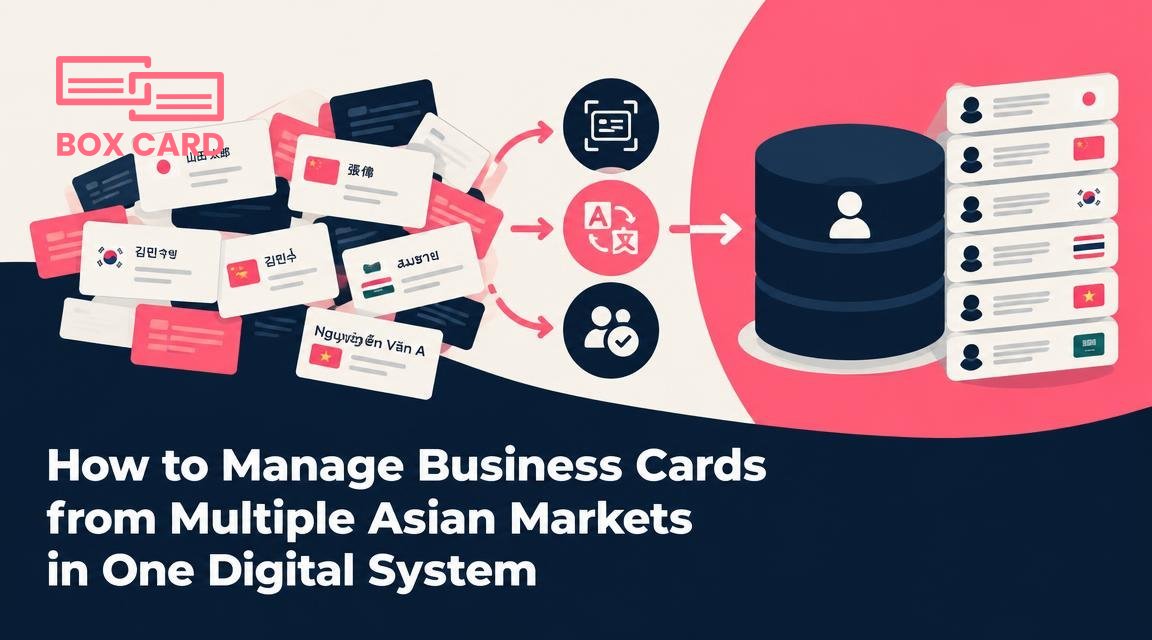
How to Manage Business Cards from Multiple Asian Markets in One Digital System
Capture the original script, add a practical romanized name, tag by market, and normalize phone numbers. A disciplined workflow plus the right system turns scattered business cards into usable international contacts.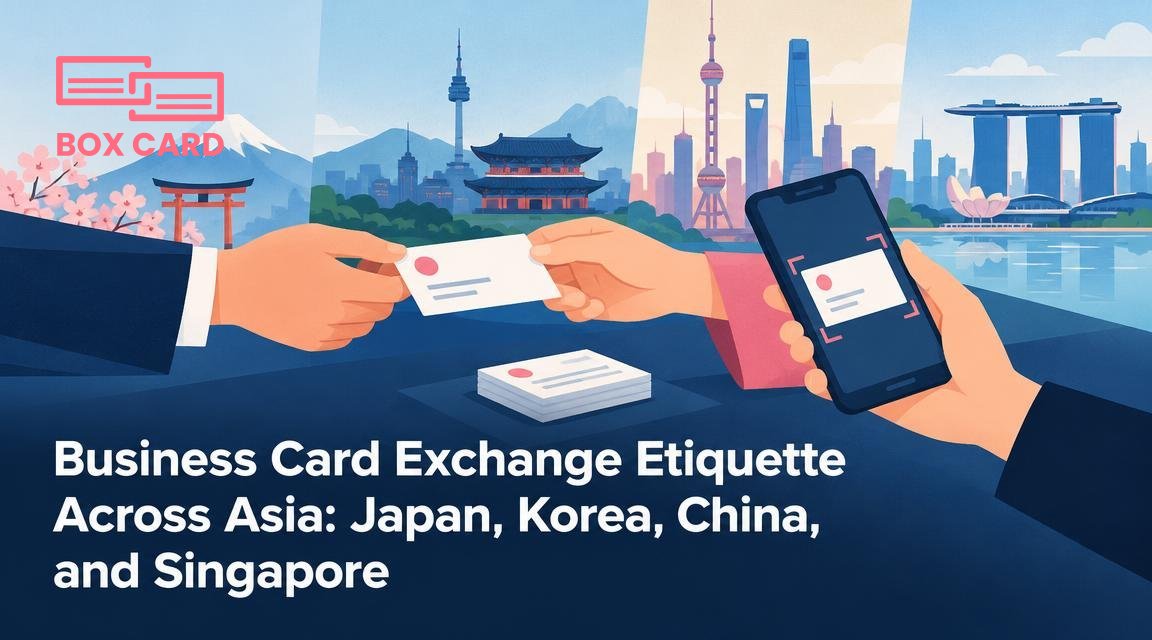
Business Card Exchange Etiquette Across Asia: Japan, Korea, China, and Singapore
If you will meet people from Japan, Korea, China, and Singapore on one trip, use a short set of decisions: which card to carry, whether to present formally, and how you will digitize contacts. This article offers concrete rules, phrases, and a brief workflow to avoid common mistakes and follow up correctly.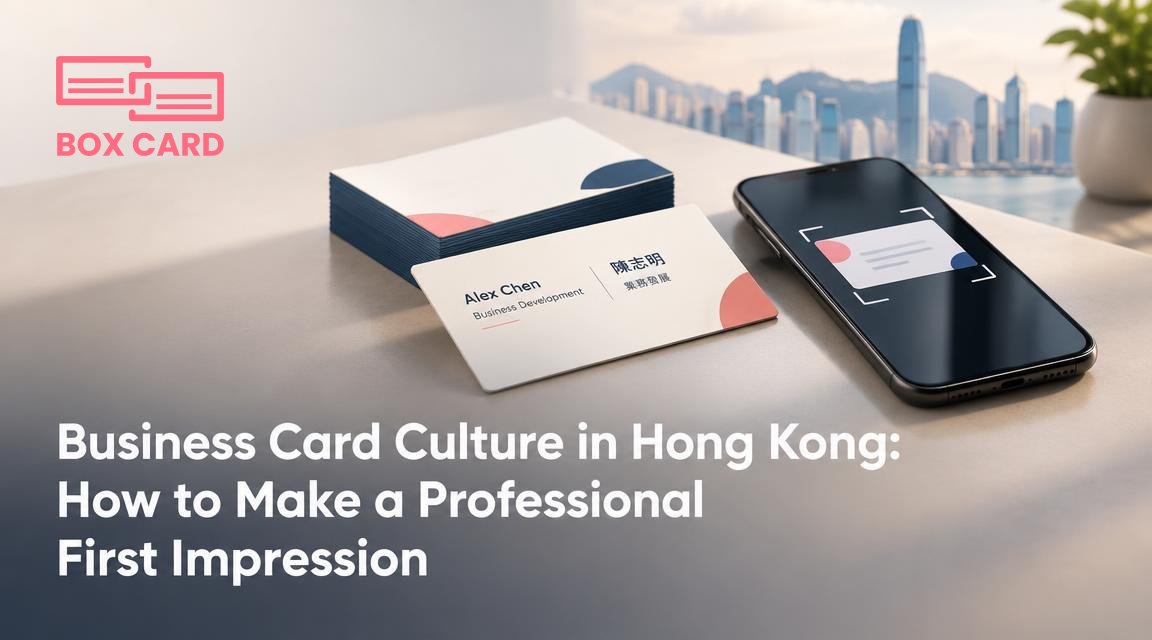
Business Card Culture in Hong Kong: How to Make a Professional First Impression
Want to make a professional first impression in Hong Kong? Use a clear bilingual business card, present it politely, scan and follow up within 48 hours. This article gives concrete card design, exchange, and follow-up rules that work across sectors.
Business Card Etiquette in Singapore: Networking Tips for International Professionals
Practical, culture-aware rules for exchanging business cards in Singapore, plus a clear workflow: how to offer and receive cards, when to digitize them, and which app features to choose for reliable follow-up.