Top Business Networking Events in the UK for Entrepreneurs and Professionals
Choosing the right event matters more than attending many. This article lists prominent UK events and gives a practical checklist for selecting the right ones, preparing effectively, networking during the day, and following up so contacts turn into real outcomes.
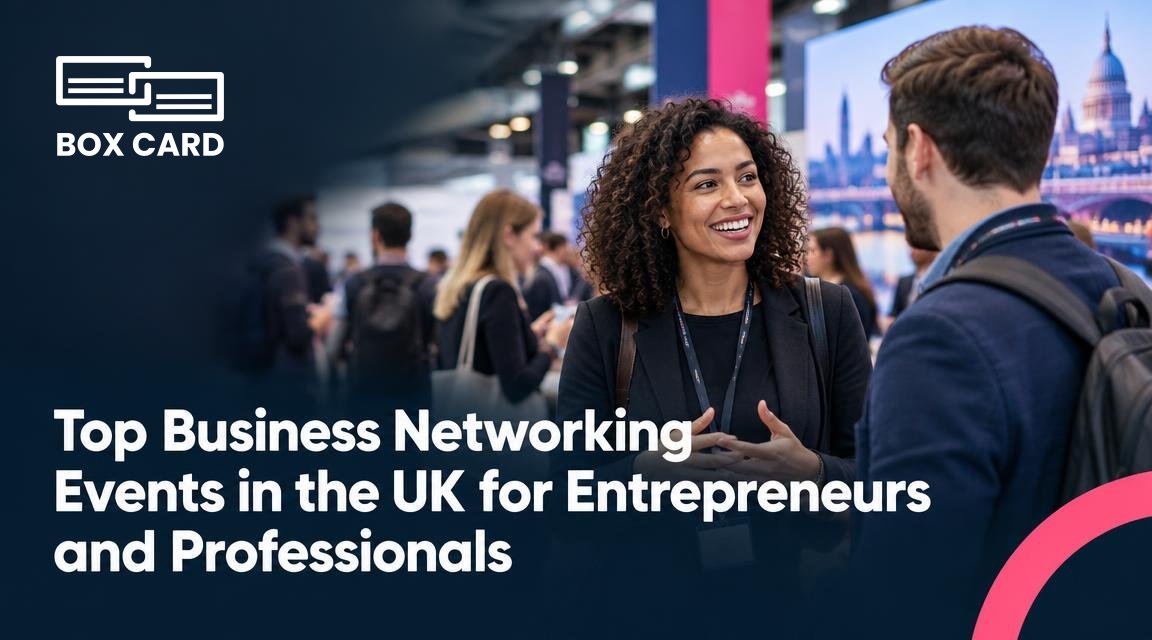
Picking the right networking events in the UK: a practical starting point
You have limited time and budget. Which events should you attend to meet clients, partners, or investors, and which will be a waste? This article gives a short list of prominent UK events and event types that consistently deliver useful contacts for entrepreneurs and professionals, plus practical advice on how to choose, prepare, and follow up so the hour in a noisy expo hall turns into revenue, hires, or partnerships.
Events and event types worth considering
Below are recurring, recognisable UK events and the types of people who tend to get value from them. Descriptions focus on format and fit rather than claims about size or prestige.
- London Tech Week: A cluster of conferences, exhibitions and curated meetups concentrated in London, aimed at founders, product leaders, investors and corporate innovation teams. Best for people who want to meet tech peers, see vendor demos, and engage with a mix of startups and enterprise buyers.
- The Business Show: An exhibition and seminar program for small business owners, founders and advisors. Useful if you are building a one to 20 person business, exploring funding, franchising, or practical growth tactics rather than deep technical topics.
- BrightonSEO: A practical, specialist conference focused on search marketing and digital performance. If your growth relies on organic search or you work in agency marketing, this is a concentrated place to learn and meet peers and suppliers.
- Marketing Week Live: A marketer-focused exhibition that brings brand managers, agency leads and media owners together. Go if you need vendor comparisons, inspiration for campaigns, or new agency partners.
- Leeds Digital Festival and regional equivalents: Regional festivals and conferences across UK cities. These are better value if you want local partnerships, hiring pipelines, or to test a presence outside London.
- Industry trade shows: Retail, fintech, legaltech and healthcare trade shows gather buyers, suppliers and consultants within a sector. Choose an industry show when your service or product solves a vertical problem and you want targeted exposure.
- Meetups and curated roundtables: Smaller groups organised around practical topics. These are the fastest route to actionable introductions and repeated encounters, which build trust over time.
How to choose which events to attend
Decide with a short checklist that forces a trade-off instead of a gut reaction.
- Define outcome: Do you need meetings with potential clients, hiring leads, investors, or learning? Pick events where the primary audience matches that need.
- Match format to goal: If you need deep conversations, choose workshops and roundtables. If you want brand visibility, consider exhibition halls and sponsor packages.
- Assess geography and team capacity: Can one person handle travel and follow-up? Regional events may deliver more meaningful contacts per hour than a large national expo.
- Estimate cost versus expected value: Include ticket, travel, collateral and the time cost of follow-up. Treat the first visit as an experiment with measurable outcomes: number of qualified leads, meetings booked, or hires initiated.
- Check the programme: Look for named speakers, session topics and lists of exhibitors or sponsors. A session focused on your niche is a green flag; vague programming is a warning sign.
How to prepare: a checklist you can use the week before
Preparation increases the return on the day. Here is a short, practical list.
- Set three specific goals: e.g., collect five qualified leads, schedule three follow-up calls, and recruit one advisory contact. Specific goals make it easier to measure ROI.
- Research attendees and speakers: Use the event app or attendee list to flag people you want to meet. Book in advance when possible.
- Prepare a one minute value statement: Say what you do, who you help, and the result you deliver. Avoid long demos on the show floor.
- Bring concise materials: One-page leave-behinds, business cards, and a short URL to a landing page. If you use business cards, digitize them immediately with a contact app such as Boxcard to avoid losing details and to attach notes later.
- Plan follow-up templates: Write short follow-up messages for LinkedIn and email that you can personalise quickly after the event.
Practical networking tactics for the day
Noise and exhaustion make events inefficient unless you stick to a few simple habits.
- Prioritise depth over volume: It is better to have three useful conversations than 20 shallow ones. Aim for two or three probing questions so you can assess fit quickly.
- Use session breaks strategically: Approach speakers and panelists immediately after their talk while the audience is smaller and the topic is fresh.
- Offer something practical: Introductions, a relevant article, or a short audit can open doors faster than a sales pitch.
- Capture context: After each meaningful conversation, write one sentence about the person and the next step on the back of their card, or use a scanning app to attach notes and tags to the contact.
- Schedule follow-ups: Where possible, book a brief follow-up call during the event so the contact is already committed to a time.
Follow-up that actually converts
Most valuable opportunities evaporate because of weak follow-up. Treat post-event work as the critical phase, not a chore.
- Within 48 hours: Send a personalised LinkedIn request or brief email referencing a specific point from your conversation, and propose a clear next step: a 20 minute call, an intro to a colleague, or sending a one page summary.
- Within one week: Import contacts into your CRM or contact manager and tag them by event and interest. If you scanned cards with Boxcard, add any longer notes and set reminders for follow-up actions.
- Use a short sequence: Two follow-ups over three weeks is often enough to test interest before moving the contact to a nurturing cadence. Keep messages short and targeted.
- Track outcomes: Log meetings booked, proposals sent, hires initiated and revenue attributed. After three events, you will have real data to choose which events to repeat.
Common mistakes and how to avoid them
- Collecting cards then doing nothing: Avoid this by committing to the 48 hour follow-up rule and digitising cards on the day.
- Trying to pitch everyone: Instead, use questions that reveal whether a problem exists before offering your solution.
- Attending every event: Treat attendance like inventory. Test a few, measure outcomes, then pick the handful that deliver the best return.
Decide which events to repeat
After two or three events, choose repeat appearances based on a simple rule: repeat events where your cost per qualified conversation drops below a target you set. That target can be monetary, such as cost per lead, or strategic, such as number of hires sourced. Use that rule to scale attendance, allocate budget for sponsorship or speaking, and to decide when a regional or sector-specific event is worth a bigger investment.
Practical next step: pick one upcoming event from a category above, set three measurable goals for it, and commit to the 48 hour follow-up routine. If you use paper cards, try scanning them with Boxcard immediately so no contact slips through the cracks and you can attach notes and follow-up reminders in one place.
