Top Business Networking Events in Germany You Should Attend
Choose events that match your audience and stage, prepare a short target list and meeting requests in advance, and digitize contacts within 48 hours so conversations become concrete next steps.
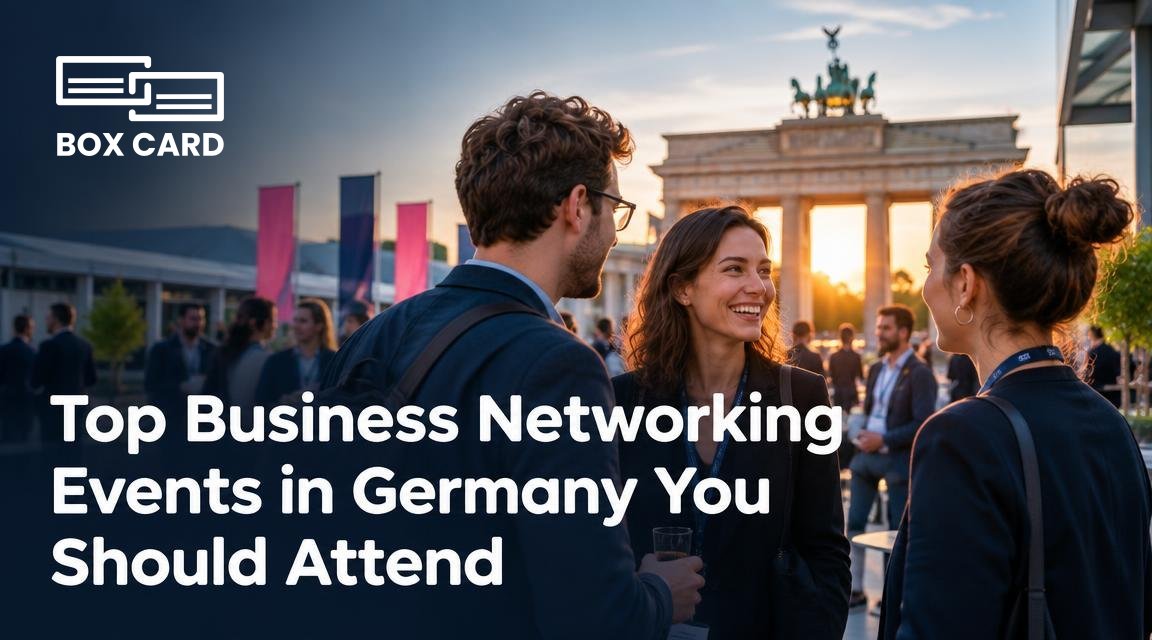
If you want to meet partners, customers, or investors in Germany, choosing the right events and preparing for them matters more than attending as many as possible. This article picks high-value, recurring business networking events in Germany, explains who benefits most from each, and gives a practical playbook for preparing, networking on the day, and turning conversations into opportunities.
Top networking events in Germany and who should go
Below are events that reliably attract decision makers and active networkers across different industries. For each event I note the city, primary focus, and the kinds of people who get the most value.
| Event | City | Focus | Best for |
|---|---|---|---|
| DMEXCO | Cologne | Digital marketing, advertising, media | Marketing leaders, agency founders, adtech vendors |
| Hannover Messe | Hanover | Industrial tech, manufacturing, automation | Manufacturing executives, industrial suppliers, IoT vendors |
| IFA | Berlin | Consumer electronics, retail tech | Product managers, retail buyers, hardware startups |
| Bits & Pretzels | Munich | Startups, founders, early-stage investors | Founders, startup teams, angel investors |
| Tech Open Air (TOA) | Berlin | Tech, creative industries, interdisciplinary talks | Startup teams, corporate innovation, creative entrepreneurs |
| re:publica | Berlin | Digital society, media, policy | Communications professionals, digital policy advocates, NGOs |
| NOAH Conference | Berlin | Growth-stage tech, corporate partnerships | Scaling startups, venture investors, business development teams |
These events differ in mood and pace. DMEXCO and IFA are large trade-show style events with busy exhibition halls and short meetings, while Bits & Pretzels and TOA have a stronger conference format with panels, curated networking, and social events that favor deeper conversations.
How to choose which events to attend
Pick events based on three practical filters:
- Audience fit: Does the event attract the decision makers or peers you need? If you sell to manufacturers, Hannover Messe is more relevant than Bits & Pretzels.
- Stage fit: Early-stage startups often gain more at founder-focused events. Enterprise sales teams will see better ROI at specialized trade fairs or sector conferences where procurement and technical teams attend.
- Format and follow-up: Big trade shows generate many shallow leads and require a disciplined follow-up system. Smaller conferences offer higher-quality meetings but reach fewer people.
Preparation checklist: turn travel into targeted meetings
- Set clear goals: Define two measurable goals, for example: meet five qualified prospects for pilot projects, or secure three investor follow-ups. Clear goals shape who you target and how you spend time.
- Research attendees and speakers: Use the event app, LinkedIn, and speaker lists to build a short target list. Identify 10 people you want to meet and why; draft customized conversation starters for each.
- Book meetings in advance: Many high-value conversations happen off-stage. Request meetings two to three weeks before the event, and use a calendar link to remove friction.
- Prepare one-page leave-behinds: Physical or PDF one-pagers that summarize the value you offer, next steps, and contact details make follow-up easier. Keep them concise and targeted to the audience.
- Plan your logistics: Map your booth and stage schedule if you present. Allow buffer time between meetings and plan for evening networking events, which are often where deals start.
Networking tactics that work on the day
Conference networking is a craft. These tactics improve your hit rate without feeling pushy.
- Open with a short value statement: Replace the generic elevator pitch with a one-sentence value statement tied to the event audience. For example: "We help retailers reduce returns by 15 percent through better product data." Short, specific, and invites follow-up questions.
- Ask about problems, not titles: Instead of starting with "What do you do?" ask "What is the biggest challenge your team is facing this quarter?" That surfaces actionable issues you can respond to.
- Use meeting windows: If a meeting runs long, offer a five-minute follow-up at a later time during the day. People appreciate respect for their schedule.
- Collect contact info consistently: Exchange digital business cards, scan cards, or use a shared note app. Avoid stuffing cards into a pocket and hoping to remember details later.
- Attend evening and fringe events: Many meaningful connections happen at dinners, meetups, and after-parties. If your goal is relationship building, prioritize one or two social events each day.
After the event: a disciplined follow-up workflow
Most networking value appears after the event when conversations are turned into concrete next steps. Use a simple, prioritized workflow.
- Digitize and tag contacts within 48 hours: Scan business cards or enter notes while details are fresh. Boxcard can help by digitizing cards, organizing contacts, and attaching quick notes so you do not lose context. Tag contacts by priority: hot, warm, cold.
- Send quick, personalized follow-ups: Within 72 hours, send a short message that references your conversation and proposes a specific next step, for example, "Would you be available for a 20-minute call next week to explore X?" Include a calendar link to simplify scheduling.
- Score and sequence leads: Prioritize contacts by fit and interest level. Put high-priority prospects into a short nurturing sequence with tailored content and proposed commitments, such as a demo or pilot proposal.
- Keep notes and outcomes linked: Record the outcome of each follow-up in your contact system: meeting scheduled, send proposal, not a fit. Avoid keeping disparate notes across email and paper cards.
- Plan a re-engagement calendar: For warm contacts that need more time, schedule reminders for future touchpoints tied to relevant triggers, such as product launches or budget cycles.
Common mistakes and how to avoid them
- Collecting cards without context: A stack of business cards is useless without notes. Add one-line context to each contact immediately after the exchange.
- Trying to meet everyone: Spreading yourself thin results in many shallow conversations. Focus on a shortlist of high-value targets and a second tier of opportunistic meetings.
- Overly long follow-up emails: Keep follow-ups short and action-oriented. Long emails are easy to ignore.
- Neglecting post-event content: If you promised a document or introduction, send it the same day you promised. Prompt delivery builds credibility and keeps momentum.
How to measure event ROI
Track simple metrics that reflect the objectives you set before attending. Useful indicators include:
- Number of qualified leads generated
- Number of meetings scheduled within 30 days
- Number of pilots, proposals, or contracts initiated within 90 days
- Average time and cost per qualified lead, to compare events
Compare these metrics across events to decide where to allocate your time and travel budget in future quarters. For many organizations, a small number of highly targeted meetings at a sector conference produces better ROI than dozens of shallow contacts from a general trade show.
Practical next steps
Decide which event fits your audience and stage, then apply the preparation checklist: set clear goals, pre-book meetings, and prepare concise leave-behinds. During the event, focus on quality conversations and consistent capture of contact details. After the event, digitize and tag contacts, send short personalized follow-ups within 72 hours, and sequence your leads by priority.
If you collect business cards, use a contact digitization tool such as Boxcard to capture cards quickly, attach meeting notes, and keep follow-up tasks linked to each contact. That small discipline often makes the difference between conversations that fade and conversations that become deals.
Pick one event, commit to the preparation steps above, and measure the three metrics that matter for your business. That will show whether the event is worth attending again and help you improve the next time.
