Hong Kong Sourcing Events: Where Global Buyers Meet Asian Suppliers
Hong Kong sourcing events let you meet many Asian suppliers quickly, but the real work begins at preparation and follow-up. This article explains how to choose the right event, run focused meetings, and turn collected business cards into actionable leads using digitization and CRM integration.
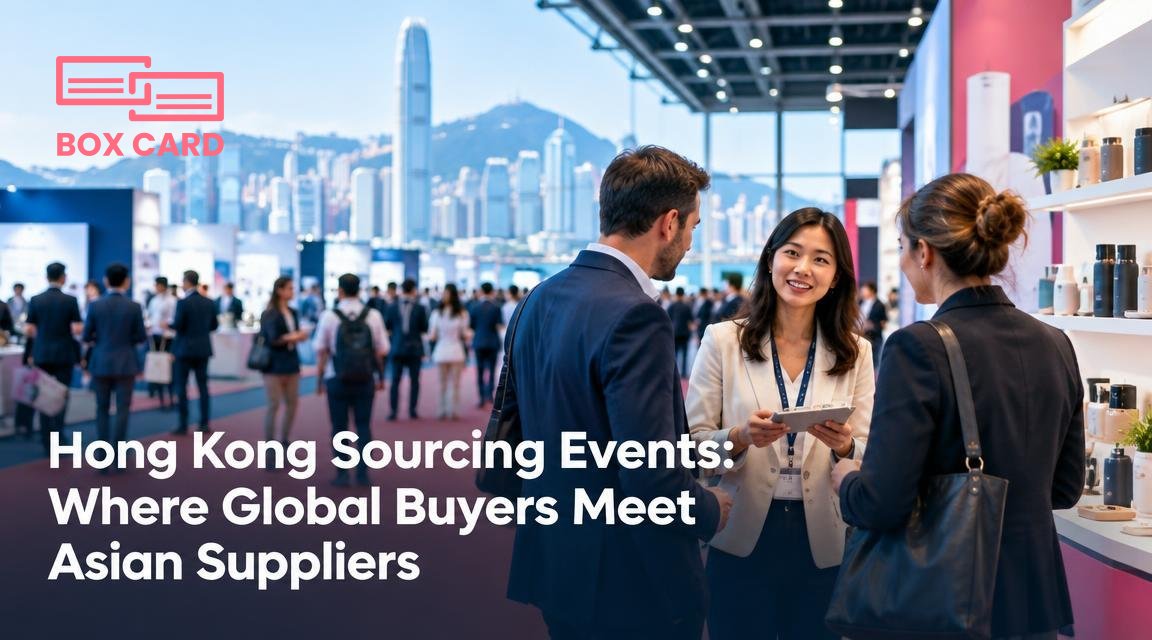
You travel to Hong Kong for sourcing because that city pulls together hundreds of Asian suppliers under one roof. The challenge is not finding booths, it is turning brief meetings into reliable supply lines. This article helps you choose the right Hong Kong sourcing events, prepare effectively, run efficient meetings, and follow up so contacts become orders.
Which Hong Kong events to consider and how to pick the right one
Not every show serves the same purpose. Pick by the problems you need to solve.
- Large multi-industry fairs: Good when you want breadth, compare product variations quickly, or look for new categories. Expect busy aisles and many trading companies rather than direct factories.
- Vertical trade shows: Best for deep technical questions, certification talks, and testing product quality. You will meet specialized manufacturers and OEMs who understand industry standards.
- Buyer-only or invitation-only sourcing events: These attract vetted suppliers and often allow pre-scheduled meetings. They reduce time wasted on irrelevant leads.
- Smaller trade clusters and pop-up sourcing hubs: Useful for niche or emerging suppliers, and for negotiating smaller minimum order quantities.
Decision criteria: the event's industry focus, whether exhibitors are manufacturers or trading companies, and whether the show offers meeting scheduling or matchmaking services. If you need factory audits or faster shipping, prioritize shows known for manufacturer attendance and request supplier origin information in advance.
Before the show: prepare like a buyer
Preparation determines how many meetings will lead to real quotes and samples. Use this checklist three to seven days before you depart.
- Set clear objectives: list three outcomes you need, for example: get five qualified MOQ quotes, secure two prototype timelines, or confirm one new packaging supplier.
- Pre-screen exhibitors: review the floor plan and supplier lists, and prioritize booths that match your product spec and target price range.
- Request meetings: many Hong Kong events let you book time slots. Shortlist 10 to 15 suppliers and request 15 to 20 minute meetings.
- Prepare a one-page product brief: photos, target price, target lead time, certification needs, and a sample spec sheet to show on your phone or tablet.
- Decide your negotiation thresholds: target and walk-away prices, acceptable lead time, and ideal MOQ.
- Arrange logistics: translator if needed, a reliable payment method, and a plan for sample shipping and inspection (local freight forwarder contact details).
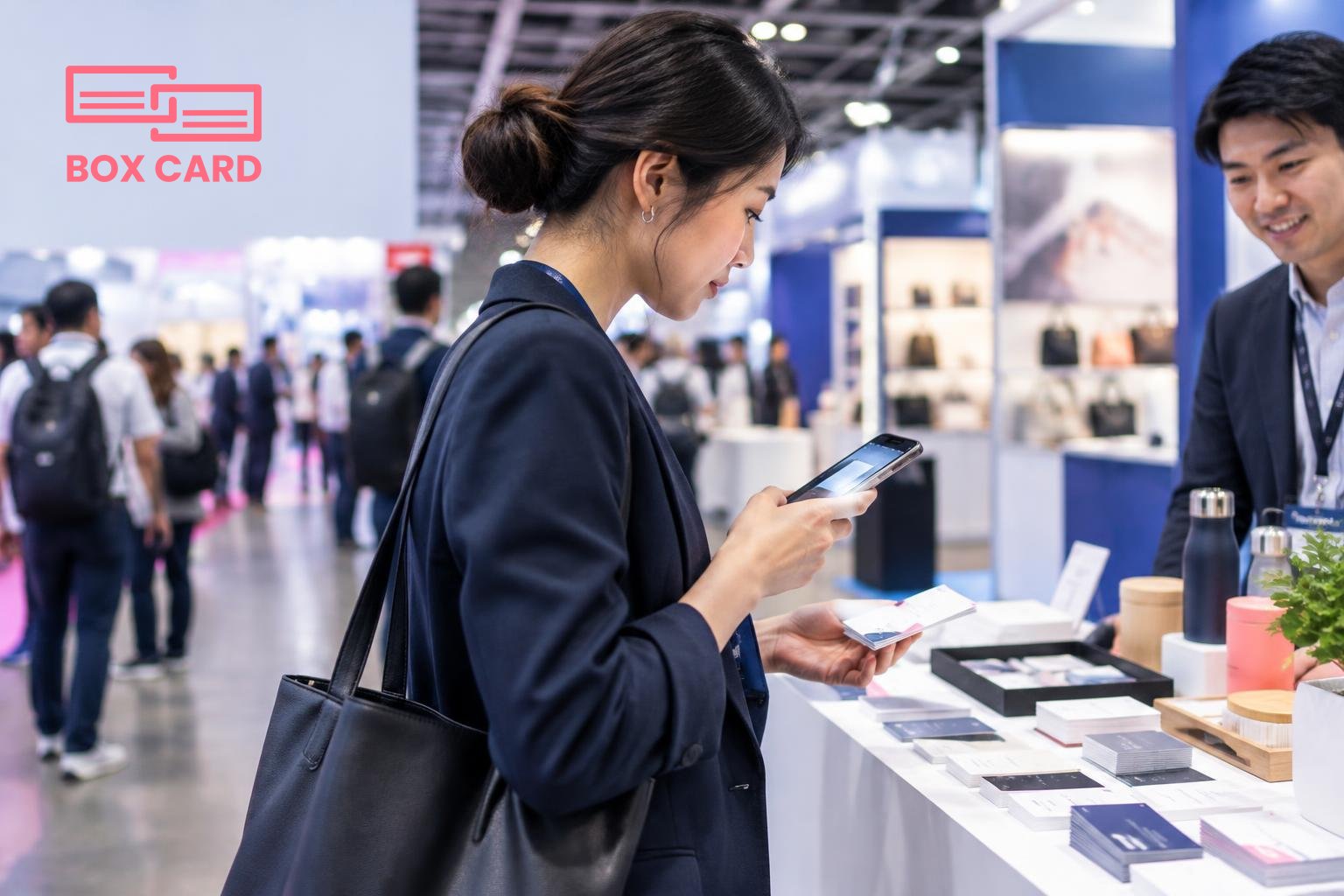
- Prepare contact capture and follow-up: choose a business card scanning app and a process for notes and CRM entry, so you do not lose information after long days.
How to digitize business cards at the show
Collecting dozens of paper cards is useless unless you convert them immediately into actionable leads. Use a business card scanning app such as Boxcard to scan cards on the spot. Steps that work:
- Scan each card before leaving the booth, add a short note: product focus, price range, and next step.
- Tag entries with the show name so you can filter later.
- If you use a CRM, enable CRM integration so scanned contacts go directly into your lead list.
Searching later for a supplier is faster with Cloud business card management. If your team needs shared access, look for a business card information sharing app or a Business card management app that supports team accounts. For larger teams, Sales support business card management helps hand leads to the right sales rep quickly.
At the show: run efficient meetings
Trade shows are noisy and fast. Treat each meeting as a checklist-driven micro-audit.
- First 3 minutes: Confirm what the supplier actually produces versus resells. Ask where their factories are located and whether they are a trading company or manufacturer.
- Next 7 minutes: Share your product brief, ask about MOQ, tooling charges, lead time, and capacity. Request references or clients in the same market when possible.
- Final minutes: Ask for an initial price for your target quantity, sample availability, and payment terms. Agree on a clear next step: sample sent, factory visit, or detailed quote by a date.
Questions that reveal risk: do they refuse to show factory photos, do they give evasive answers on certifications, or do they insist on a full payment before sample or small orders? These are red flags. If quality or compliance matters, request third-party inspection options and test reports before placing a larger order.
After the show: follow up within the first 72 hours
Speed matters. Suppliers get many buyer inquiries and will prioritize buyers who follow up clearly.
- Digitize any remaining cards and upload them to your CRM or Business card digitization app. If you used a business card OCR app at the show, double-check the parsed data for typos.
- Prioritize leads: label A for those sending samples quickly and matching specs, B for potentially useful but higher price, and C for low priority.
- Send a single follow-up message within 48 to 72 hours: thank them, confirm the agreed next steps, and attach any clarifying documents.
- Track sample shipments and set a deadline to decide on orders. If a supplier misses promised sample dates, downgrade priority accordingly.
- Use CRM integration to create tasks and reminders so follow-up calls do not slip between team members. Shared Cloud business card management keeps everyone aligned on buyer-supplier communication history.
When to use an agent, inspector, or freight forwarder
If you need factory audits, bigger shipments, or help navigating customs, decide in advance which services you will use. Practical rules of thumb:
- Use a local sourcing agent when you must verify manufacturer claims, arrange production oversight, or negotiate complex supply chains in the supplier country.
- Use a third-party inspector for any production above a small trial order, or when you do not have staff locally to check quality.
- Engage a freight forwarder when you want door-to-door pricing and consolidated shipments. Get quotes before committing to a supplier to avoid surprise shipping costs.
Tools and features to look for in your contact workflow
Not all contact tools are equal. When evaluating options, check for:
- Accurate OCR: an AI business card scanner or business card OCR app reduces manual cleanup.
- Team sharing: a business card information sharing app or Cloud business card management lets colleagues access leads immediately.
- CRM integration: importing contacts and notes directly into your CRM eliminates duplicate work and speeds lead qualification.
- Quick notes and tags: choose a Business card digitization app or business card management app that lets you tag by show, product, and priority.
- Export and backup options: Free business card management trials are useful for testing, but confirm export capability before committing.
Boxcard is one practical example of a business card scanning app that helps you capture contacts, organize notes, and prepare data for CRM integration. Use the app to scan cards while still at the booth and to centralize business card management for the whole team.
Buying from Hong Kong sourcing events can be highly efficient if you treat each meeting as a step in a predictable process: prepare, test, and follow up. Your next action: pick the show type that matches your sourcing goal, build the simple product brief described here, and choose a Business card management solution so every contact collected at the event becomes a usable lead.
