Hong Kong International Licensing Show: Exploring Business Opportunities in Global Brands and Licensing
Attending the Hong Kong International Licensing Show is one thing, turning introductions into licensing deals is another. This guide shows what to prepare, how to qualify people fast, and a concrete 48-hour follow-up routine that converts contacts into tracked opportunities.
The Hong Kong International Licensing Show can fill a conference hall with opportunities and a pocket full of business cards. If you go hoping to sign licensing deals, find brand partners, or scout IP for your catalog, the practical challenge is simple: meet the right people, record the right information, and convert introductions into concrete next steps. This article walks through what to do before, during, and after the show so you leave with deals and a clean pipeline instead of a shoebox of paper contacts.
Before the show: prepare the list and the story
Decide the three things you need from the show: new licensors, distribution partners, or retail licensees. That decision changes who you should meet and how you present yourself.
- Research exhibitors and sessions: identify priority booths and attending brand owners. Make a short list of companies with licensing programs that match your territory, product category, or audience.
- Prepare two pitches: a 30-second elevator pitch for quick encounters, and a one-page leave-behind for more serious conversations. The one-page should show the core offer, target market, and the business model you prefer: exclusive territory, master license, or product-specific deals.
- Set meeting goals: book at least five targeted meetings in advance. For walk-up contacts, aim for one measurable step such as a follow-up call or a sample request.
At the show: qualify quickly and capture information well
You will meet three kinds of people: decision makers, gatekeepers, and rainmakers who can refer you. Learn to qualify in two minutes.
Two-minute qualification
- Ask what kind of licensing they manage: character, brand extension, merchandising, or digital licensing.
- Ask what territories and product categories they are actively pursuing right now.
- Ask their timeline for launching new licenses and whether they use agents or deal direct.
If the answers fit your goals, spend more time. If not, ask for a referral and move on.
Capture contacts so follow-up is fast and accurate
Collecting business cards is only the first step. The key mistake most teams make is leaving digitization and qualification until days later, when contact details are fuzzy and context is lost. Two practical rules will reduce that loss:
- Immediately record one line of context on the back of every contact, or in your phone notes: where you met, what you discussed, and the agreed next step.
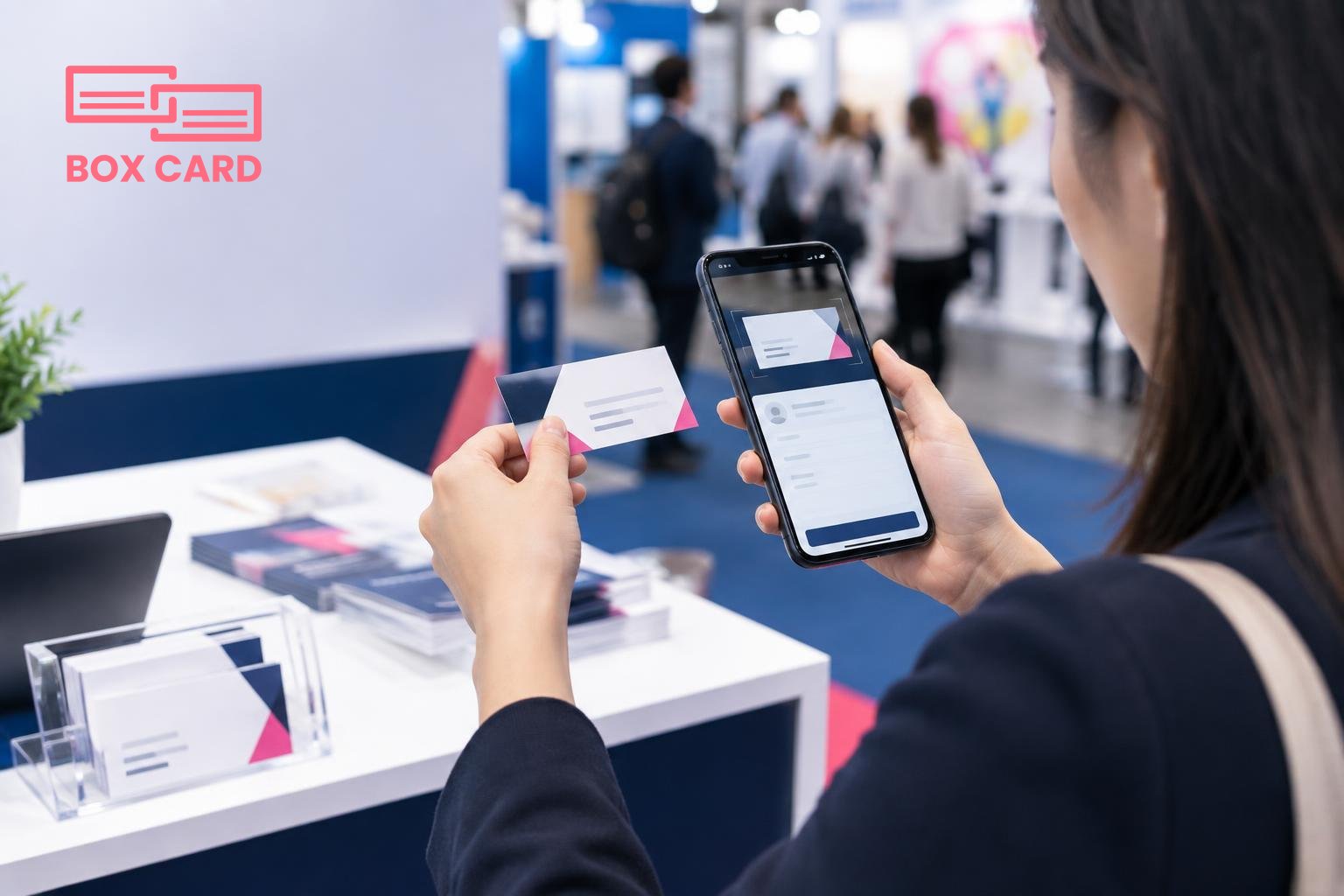
- Digitize cards on the same day. Use a reliable business card scanning app at the show or the evening after. That preserves spelling, titles, and company names accurately, and makes follow-up measurable.
If you already use a tool, look for CRM integration so leads flow directly into your pipeline. The phrases below name common tools and approaches to consider: Boxcard, business card management, business card digitization, business card scanning app, business card management app, CRM integration.
Negotiation and legal basics to check on the floor
At the show you will often discuss letters of intent and basic deal terms. You do not need a final contract on site, but you should leave with clarity on these points.
- Scope: what rights are granted, in what territories, and for which product categories.
- Term and renewal: how long the initial term lasts and whether renewal is automatic or subject to performance review.
- Financials: preferred royalty models, minimum guarantees, and payment cadence. If you are unsure how to value the deal, schedule a short follow-up call to exchange sales data before committing.
- Approvals and quality control: brand owners typically require approval over artwork and production. Clarify sample submission and approval turnaround times.
Don’t sign binding documents on the spot unless your legal team has reviewed them. Instead, secure a written LOI or summary email that records the verbal agreement and the next steps.
After the show: a disciplined follow-up routine
Shows are won in the follow-up. That means speed, personalization, and a clean system for tracking responses.
- Within 48 hours: digitize all cards, add your context notes to each contact, and send a short personalized email that references your conversation and proposes a next step.
- One week later: if you agreed to send materials or samples, do so and log shipment tracking. If you promised more information to evaluate terms, attach it and suggest specific dates for a decision meeting.
- Two-week cadence: follow up twice more at one-week intervals if there is no response. After three unanswered attempts, mark the lead as dormant and revisit it later with new information or a different offer.
To keep all of this manageable when many people are involved, use a business card digitization workflow. If you need a starting point, search for Business card OCR app or Business card digitization app. Many teams also prefer a business card information sharing app so colleagues can access new leads immediately. Options vary, from Free business card management tools for small teams to Cloud business card management systems that sync across devices. If accuracy matters, look for a High-accuracy business card scanning app or a Boxcard scanning app to reduce manual entry.
How to prioritize the leads you gathered
All leads are not equal. Use three filters to prioritize outreach:
- Decision authority: did you meet the person who signs deals, or someone who will refer you?
- Strategic fit: does the brand and territory align with your portfolio and margins?
- Closing probability: did the contact name a short timeline or a budget that matches yours?
Score each contact on those three filters and focus your fastest outreach on the top tier. For sales teams, combining this with Sales support business card management and CRM business card management practices will keep the pipeline clean and actionable.
Tools and data hygiene: small investments that pay off
Simple tools reduce friction. Choose a single system for all cards and stick with it for a show cycle. If your team prefers a lightweight approach, a Business card management app that syncs with your CRM is usually enough. If you expect high volume or need centralized access, use a Business card data management system or Cloud business card management platform so everyone sees the same updated contact records.
Two practical checks:
- Verify company names and titles against LinkedIn before you enter them into your CRM.
- Keep a single source of truth. If one person imports cards from a free tool, make sure those records are merged into your main system to avoid duplicates.
If you want a quick how-to reference after you return, the simple question How to digitize business cards leads to the same workflow: scan, verify, tag, and export to your CRM. Many teams experiment with an AI business card scanner for faster initial extraction, then perform a human check for titles and nonstandard company names.
Quick rule: transform paper to a verified digital contact within 48 hours, and you will double your effective follow-up rate compared with leaving cards unprocessed.
The Hong Kong International Licensing Show is a concentrated chance to evaluate brands, test interest, and begin licensing conversations. The difference between a good trip and a productive one is not how many cards you collect, but how quickly you turn those cards into tracked opportunities. Use the show to gather prioritized meetings, capture clear next steps on site, digitize immediately with a reliable business card management solution, and route leads into your CRM using CRM integration so nothing falls through the cracks.
Practical next step: schedule one hour the evening you return to scan and qualify every card, assign a next-step date in your CRM, and send the first personalized follow-up within 48 hours.
