Hong Kong International Jewellery Show: A Guide for Business Networking and Industry Connections
Practical steps to turn show conversations into business: set clear objectives, arrange meetings in advance, digitize and tag cards immediately, and follow up with a specific next step within 48 to 72 hours.
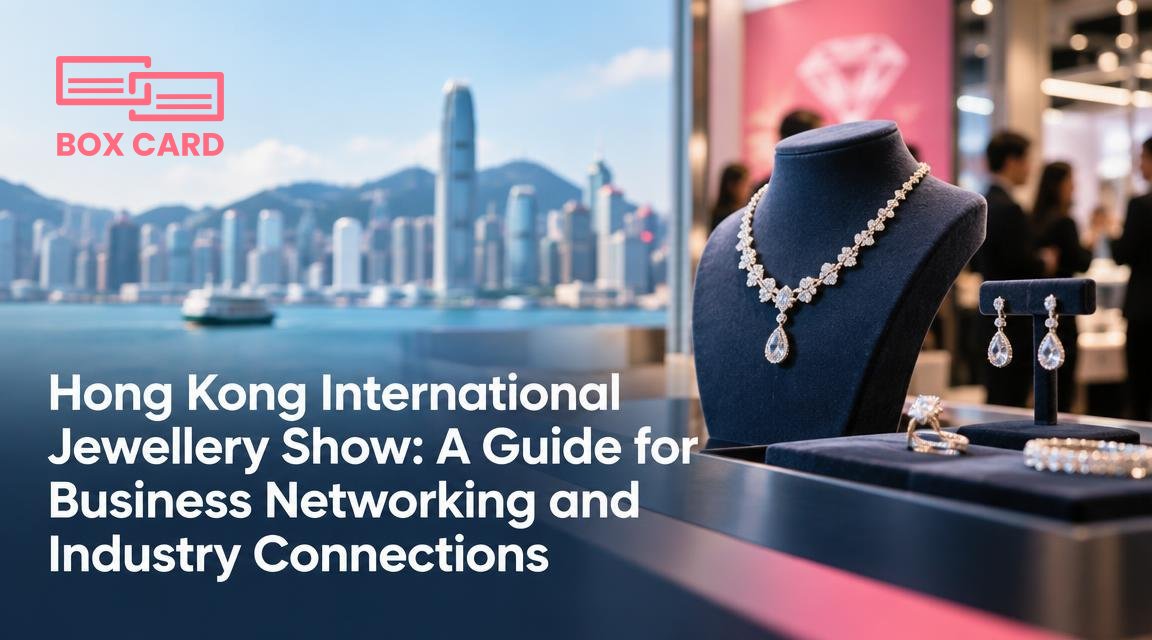
You are going to the Hong Kong International Jewellery Show to meet people, not to collect swag. The show is a dense, fast-moving environment: the right preparation and a clear follow-up plan decide whether a meeting becomes a deal or a forgotten card in a pocket. This guide focuses on practical steps you can take before, during, and after the event so your time produces measurable industry connections.
Clarify what you want to achieve
Start with a short list of specific outcomes. Vague goals like "networking" rarely produce action. Good examples:
- Find two reliable component suppliers for a new collection, with minimum order details and lead times.
- Introduce your brand to three regional distributors and schedule product evaluations within two weeks.
- Collect market intelligence about pricing on comparable items and notable design trends.
With concrete targets you can prioritise who to meet, what questions to ask, and how to judge whether a contact is valuable.
Before the show: preparation that wins meetings
Preparation reduces wasted hours on the show floor. Do these tasks in the two to three weeks before the event.
- Research exhibitors and attendees. Use the official exhibitor list, LinkedIn, and trade directories to identify people you want to meet. Select a top 20 list and a secondary list of 30 prospects.
- Book meetings ahead. Aim to schedule at least half of your top-20 as short, 15 to 20 minute meetings. People are easier to find if they have appointments.
- Prepare focused materials. Carry a one-page overview, a concise digital portfolio on a tablet, and 50 business cards. The one-page document should answer: who you are serving, the concrete benefit you offer, and the immediate next step you want from the contact.
- Digitize your existing contacts. Scan current business cards into your phone before you leave. Apps that digitize and organize contacts help you search and reference prior conversations at the show. Keeping contact data clean reduces duplicate follow-ups and keeps trade-show notes tied to each contact.
- Plan logistics. Mark must-see booths, seminar times, and evening receptions on your calendar. Plan travel time between venues and leave short breaks to process new contacts.
At the show: how to work the floor
Use a layered approach: start with scheduled meetings, then use walk-by visits to discover additional opportunities.
- Start with appointments. Meetings you arranged ahead are the highest payoff. Keep them short and focused: confirm needs, note next steps, and set a follow-up deadline.
- Use the "two-minute qualification" rule. When you meet someone new, spend two minutes to determine whether they are a buyer, distributor, supplier, press, or influencer and whether they have decision authority and a timeline. If they do not fit your objectives, agree on a future action: a referral, a lighter touch follow-up, or an introduction to someone else.
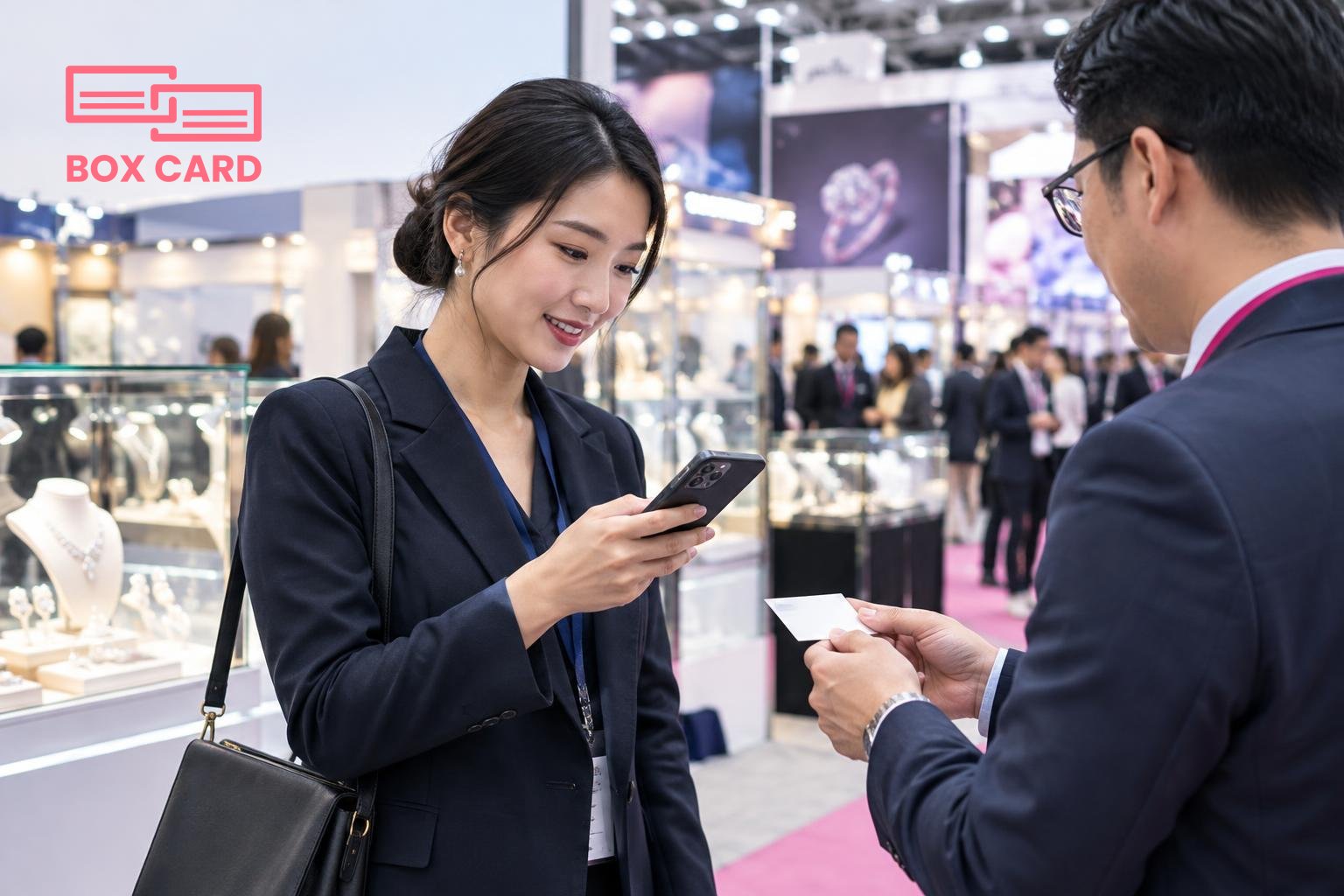
- Scan and tag business cards immediately. Scan cards as soon as you part. Tag them with categories such as hot, follow-up in one week, sample request, or research. If you use an app to scan and organize cards, attach a short note that captures what was discussed and any deadline.
- Demonstrate, then listen. Show a single, short example of your product or capability and then ask focused questions: how do you source, what margins do you work with, what are your lead times, and what certifications matter for you?
- Mind booth etiquette. If you approach a busy booth, ask for a time when the exhibitor can talk uninterrupted. For personal interactions in Hong Kong and the region, present and receive business cards respectfully, offering the card with both hands and taking a moment to read any card you receive. A brief comment about the card shows attention and respect.
Networking beyond the booths
Seminars, industry panels, and evening receptions are where introductions happen more organically. Use these settings to build rapport rather than to sell aggressively.
- Attend sessions that match your goals. The right seminar can give talking points and context for conversations after the session.
- Ask for introductions. If you meet someone who knows a person you need to meet, request a brief introduction right then or agree to an introduction by message. People are more likely to help when you offer a clear reason for the introduction.
- Follow social cues. In informal settings, short personal topics ease into business conversation. Keep your trade pitch to one or two sentences and then listen.
Following up: convert connections into business
The follow-up phase determines whether a show yields revenue. Treat follow-up as a separate project with a schedule and ownership.
- Write within 48 to 72 hours. Send a short, personalised message that references your meeting and proposes a single clear next step: a call, a sample shipment, or a quote request.
- Use tags and sequences. If you digitized cards at the show, tag contacts by priority and assign follow-up timelines. Use a CRM or a simple spreadsheet to track status, next action, and deadlines.
- Be specific in requests. Instead of saying "let's stay in touch," propose "can we schedule a 20-minute call to review sample specifications next Tuesday or Thursday?" Specific asks get responses.
- Respect privacy and consent. Ask permission before adding contacts to marketing lists. Note any restrictions they mention during the conversation, and comply with applicable data protection expectations.
Common mistakes and how to avoid them
- Collecting cards without notes. If you scan a card but forget the context, you lose value. Add a one-line note immediately after the meeting.
- Too many meetings, too little follow-up. Ten quick meetings are worthless if none are followed by a clear next step. Prioritise quality and schedule follow-ups before you leave the hall.
- Sending generic follow-ups. Templates are fine, but personalise them with a detail from the conversation so the recipient recognises you.
- Assuming all contacts equal partners. A contact could be useful for information, a referral, or a direct sale. Label the reason the contact matters and tailor your follow-up accordingly.
Measuring success and deciding whether to return
Give yourself clear metrics to judge the event's value. Useful measures include:
- Number of scheduled meetings completed.
- Qualified leads: contacts who meet your budget, timeline, and authority criteria.
- Sample requests or quotes submitted within two weeks.
- Deals closed or partnerships initiated within six months.
Calculate a simple ROI: expected value of leads likely to convert to orders, divided by the cost of attending. Use that number to decide whether you should return with a larger presence or a focused target list.
Tip: Spend 30 minutes at the end of each day to scan cards, add notes, and schedule follow-up actions while details are still fresh.
Now, take five practical steps before you leave for the show: define three concrete objectives, list your top 20 targets and contact them to set meetings, prepare a one-page sales brief and a tablet portfolio, digitize existing business cards and contacts, and plan two specific follow-up messages you will send after the show. Those actions turn time spent at the Hong Kong International Jewellery Show into meetings that move your business forward.
