Best Design and Furniture Trade Shows in Milan for Business Networking
This practical guide identifies which Milan design and furniture events are best for different networking goals, and gives a focused plan to prepare, meet people effectively, and convert contacts into real business relationships.
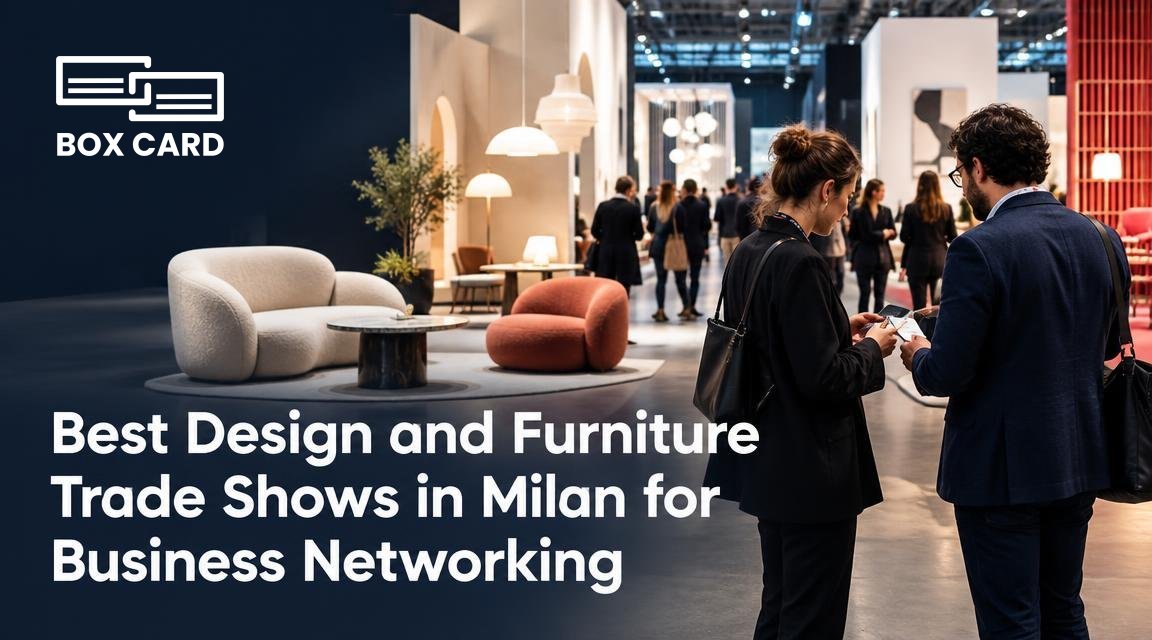
You want to use a trip to Milan to meet designers, manufacturers, showroom owners, and buyers, not just collect brochures. This guide points to the trade shows and satellite events that matter for furniture and interior design networking, explains who you will meet at each, and gives a practical plan you can use before, during, and after the event to turn meetings into business.
Main events to attend in Milan and what you will accomplish
Salone del Mobile.Milano (the Salone)
What it is: The Salone is the central furniture and design fair running across the main exhibition halls in Milan. Exhibitors range from global brands to boutique makers.
Who should go: Manufacturers seeking retailers and agents, designers sourcing collections, retailers and specifiers looking for new ranges, and service providers offering contract solutions.
Networking value: Official exhibition stands are where formal meetings happen. Buyer-supplier conversations, press briefings, and product launches are concentrated here.
Tip: Prioritize the exhibitors you want to meet and request appointments in advance. Walk the halls early in the day to spot quieter times for ad hoc conversations.
Fuorisalone / Milan Design Week events
What it is: A citywide program of showrooms, temporary installations, and parties that runs alongside the Salone. Events happen across neighborhoods such as Brera, Tortona, and Ventura.
Who should go: Creative directors, interior designers, architects, trend scouts, brand collaborators and anyone looking for informal introductions and brand storytelling.
Networking value: Fuorisalone is where relationships are started, not always closed. Showroom openings, gallery talks, and evening receptions create opportunities to meet people in relaxed settings.
Tip: Use Fuorisalone to meet studio principals and curators who may not have large stands at the main fair. Follow events by neighborhood and plan your route to mix curated shows with smaller, conversation-friendly settings.
Euroluce and EuroCucina (Salone sub-events)
What they are: Euroluce focuses on lighting; EuroCucina focuses on kitchens. Both are scheduled within the Salone program, typically on a biennial basis.
Who should go: Lighting designers, kitchen manufacturers, hospitality fit-out teams, and retailers specializing in these categories.
Networking value: These segments attract specialist suppliers and technical partners. If your business depends on lighting or kitchens, prioritize these halls for targeted supplier meetings and technical discussions.
Tip: Prepare specific technical questions in advance, and bring sample specifications or project briefs to make conversations actionable.
SaloneSatellite
What it is: A section dedicated to young designers and studios, with a strong focus on innovation and experimental pieces.
Who should go: Design directors, boutique retailers, galleries, and manufacturers scouting new talent and fresh ideas.
Networking value: SaloneSatellite is a good source of fresh collaborators and bespoke project partners. Conversations are often less formal and can lead to commissioned work or limited runs.
Tip: If you are scouting talent, bring clear information about commission budgets and timelines so potential collaborators understand whether a follow-up relationship makes sense.
Workplace3.0
What it is: A program focused on office furniture, workplace design, and the integration of furniture with services for commercial spaces.
Who should go: Office furniture manufacturers, workplace consultants, facilities managers, and corporate real estate decision makers.
Networking value: Good for sourcing contract-ready products, learning about workplace trends, and meeting specification decision makers for large projects.
Tip: Prepare case studies of previous projects and, if relevant, a shortlist of buildings or clients you are targeting to keep conversations practical.
HOMI - Lifestyle and Home
What it is: An exhibition focused on design for the home, decorative objects, and lifestyle items. HOMI runs separately from the Salone and attracts a different buyer profile.
Who should go: Home accessories distributors, small retailers, interior stylists, and brands whose collections sit between furniture and decorative objects.
Networking value: The pace is more boutique; conversations with buyers and distributors can be shorter and more transactional, which is useful if you are testing a new line.
Tip: Bring clear retail packaging and pricing examples. Buyers at HOMI often want to understand wholesale conditions quickly.
MADE Expo
What it is: A trade fair in Milan for building, architecture, and construction sectors, including finishes and materials that overlap with furniture and interiors.
Who should go: Architects, façade and interior contractors, manufacturers of building-integrated furniture and systems.
Networking value: If your product or service sits at the junction of architecture and interiors, MADE Expo puts you in front of contractors and specifiers who handle large projects.
Tip: Focus on project managers and procurement teams rather than broad marketing contacts. They are the people who make specification decisions on larger jobs.
How to plan and execute networking so meetings lead to business
Trade shows are noisy and expensive. Turn time spent into measurable progress with a simple pre-event plan and a follow-up routine.
Before the event
- Define two clear goals: for example, find two manufacturers for a 2027 launch and collect contact details for five retailers to pitch a new line.
- Build a target list: pick 10 exhibitors you must meet, 20 you will visit if time allows, and 5 events or openings at Fuorisalone to attend for informal introductions.
- Reach out early: request meetings by email or via exhibitor portals. Short messages with a clear reason to meet will secure more appointments.
- Prepare materials: one-page project briefs, product photos on a tablet, and printed business cards. If you prefer digital, prepare a single PDF to send after conversations.
- Organize your calendar: leave travel time between venues and schedule morning and late afternoon meeting blocks.
During the event
- Lead with a question: ask about capacity, minimum order quantities, lead times, or recent projects to move beyond small talk.
- Take short notes after each conversation: two or three points captured in your phone will save time later and make follow-ups relevant.
- Collect contacts efficiently: use Boxcard or a similar contact capture tool to scan business cards on the spot and tag them by priority or project. This prevents paper cards from getting lost among brochures.
- Mix formal and informal: a factory representative may be more candid at a Fuorisalone evening than at their stand during the day. Use both settings.
After the event
- Follow up within 48 hours with a tailored message: mention the detail you discussed and propose a concrete next step, such as a sample request, an NDA, or a Zoom call with dates.
- Turn contacts into a pipeline: assign simple statuses like hot, warm, or archive and set reminders for next actions.
- Share clean information with your team: export scanned contacts and attach meeting notes so everyone knows the context and agreed next steps.
Common mistakes that waste time and how to avoid them
- Showing up without goals: wandering the halls without a list turns the event into sightseeing. Set two measurable aims before you go.
- Trying to meet everyone: quality beats quantity. One meaningful meeting with a buyer who can place a regional order is better than ten superficial conversations.
- Not capturing contact data reliably: paper business cards get lost. Scan immediately and tag contacts by project to avoid manual data entry later.
- Following up with a generic email: personalise follow-ups with the project details you discussed so the recipient remembers you.
Example networking workflows by role
Retail buyer
- Pre-event: shortlist exhibitors that match your price point and space.
- During: ask for MOQs, lead times, and reference retailers. Request sample swatches if relevant.
- After: email a shortlist of products you want to trial and request shipping samples and wholesale terms.
Manufacturer looking for distributors
- Pre-event: identify target markets and find local agents or distributors listed as exhibitors or visitors.
- During: focus on capability, network coverage, and existing product lines they handle.
- After: share product specs, margin structure, and a sample contract template; set a date for a pilot order.
Practical next steps
Choose which event fits your immediate goals: Salone for broad exposure and formal supplier meetings, Fuorisalone for creative introductions, Euroluce or EuroCucina for category specialists, HOMI for lifestyle buyers, and MADE Expo for project-based, construction-oriented contacts. Before you book travel, make a target list, request meetings, and prepare one concise project brief you can share in every conversation. Use a contact capture tool such as Boxcard to scan business cards and tag contacts by project on the spot. That way the time you spend in Milan turns into a clear pipeline of follow-ups and decisions, not a drawer full of unread brochures.
