Event
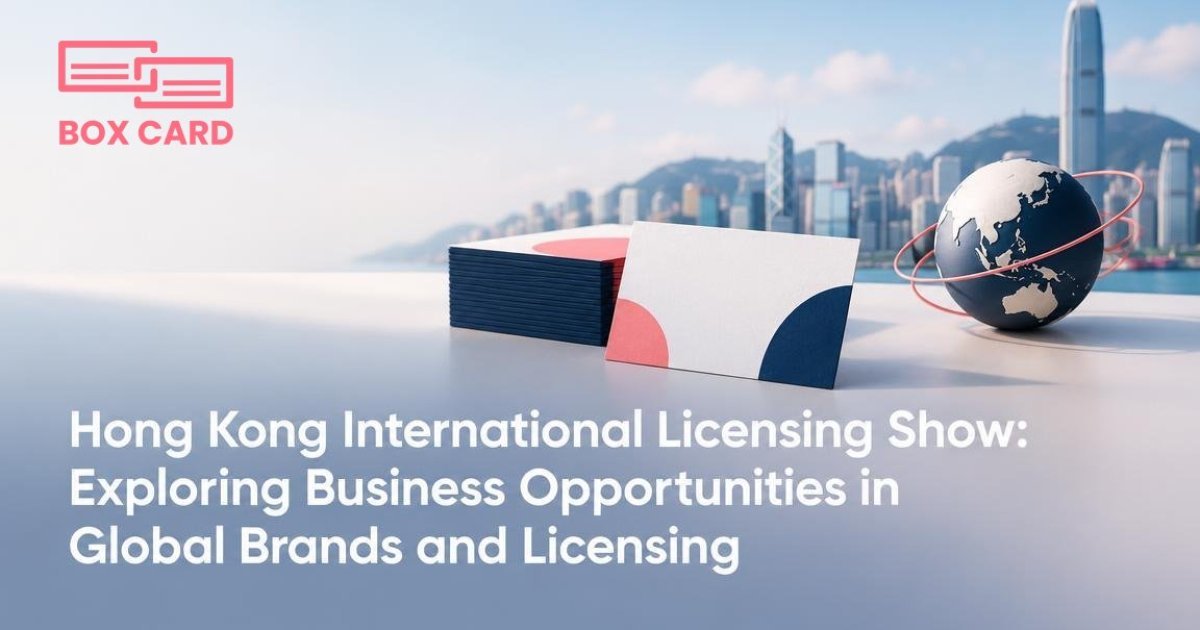
Hong Kong International Licensing Show: Exploring Business Opportunities in Global Brands and Licensing
Attending the Hong Kong International Licensing Show is one thing, turning introductions into licensing deals is another. This guide shows what to prepare, how to qualify people fast, and a concrete 48-hour follow-up routine that converts contacts into tracked opportunities.
Hong Kong International Film & TV Market: Where Entertainment Professionals Build Global Connections
Leaving a market with a stack of cards is common. The difference between lost contacts and real opportunities is a fast, simple routine: scan immediately, add context, tag, and follow up within 48 hours.Technology
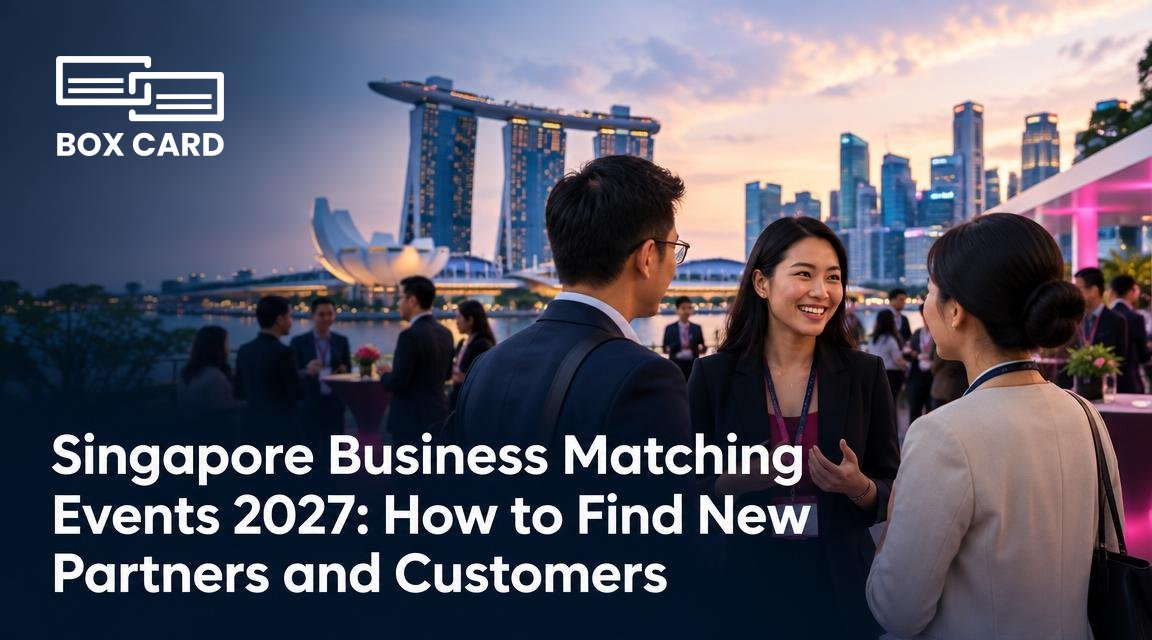
Singapore Business Matching Events 2027: How to Find New Partners and Customers
Choose events that match your goal, prepare a tight pitch and one-pager, use event apps and digital business-card scanning, and follow up within 24 hours with a specific next step. Focus on a small number of high-quality meetings rather than broad exposure.
How to Organize Sales Contacts in a CRM Without Losing Important Leads
Learn how to organize sales contacts in a CRM, manage follow-ups, and keep valuable leads from getting lost. A simple CRM workflow can help sales teams work more efficiently and close more opportunities.
How to Turn Business Cards Into Sales Opportunities: A Practical Guide for Sales Teams
For sales professionals, meeting a potential customer is only the beginning. A conversation at a business event, trade show, networking meeting, or client visit can create a valuable sales opportunity. But once the event is over, the real challenge begins: How do you remember everyone you met and follow up at the right time? Many salespeople still keep business cards in their wallets, on their desks, or scattered across different notebooks and apps. Over time, important contact information can easily be forgotten. The problem is not a lack of leads.
List of B2B Trade Fairs & Business Networking Exhibitions in Singapore 2026
Singapore is no longer just a destination for B2B exhibitions. It is increasingly becoming a strategic touchpoint where every meeting can turn into a real business opportunity.
Comprehensive Guide to B2B Trade Fairs & Exhibitions 2026 in Vietnam
In 2026, B2B trade shows have become high-speed networking hubs for meeting hundreds of buyers in days, but the real challenge starts after the event: managing all those contacts.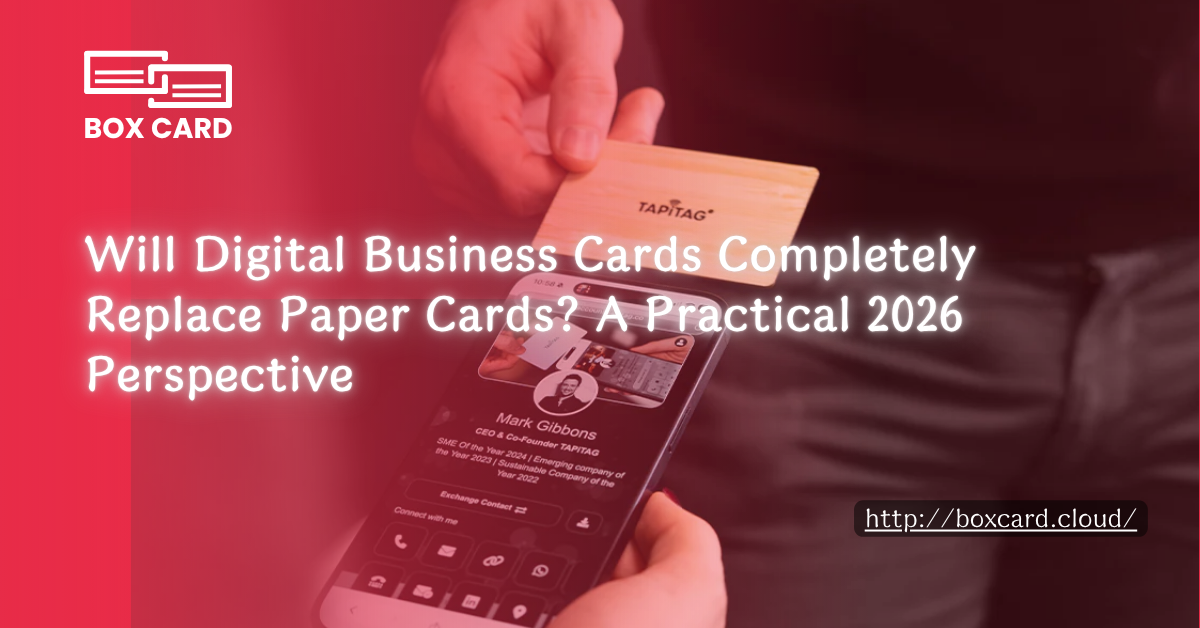
Will Digital Business Cards Completely Replace Paper Cards? A Practical 2026 Perspective
As digital business cards become more common, more companies are asking the same question: are paper business cards still necessary?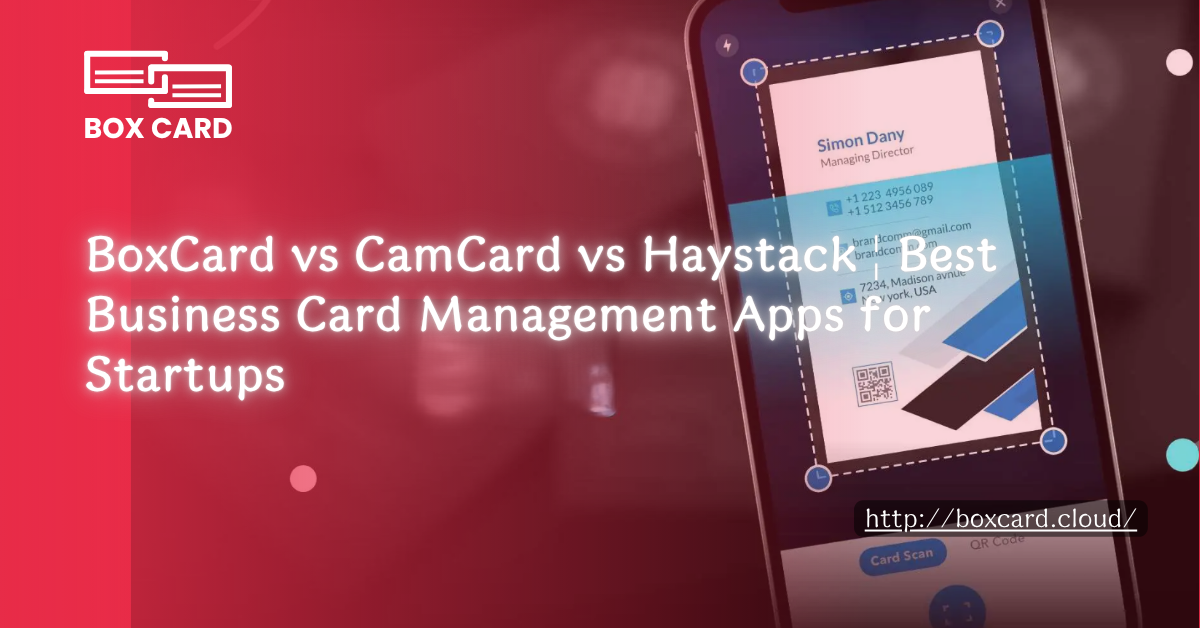
BoxCard vs CamCard vs Haystack | Best Business Card Management Apps for Startups
In startups, business cards are no longer just paper contacts. They are increasingly managed as valuable data assets for sales, hiring, and networking.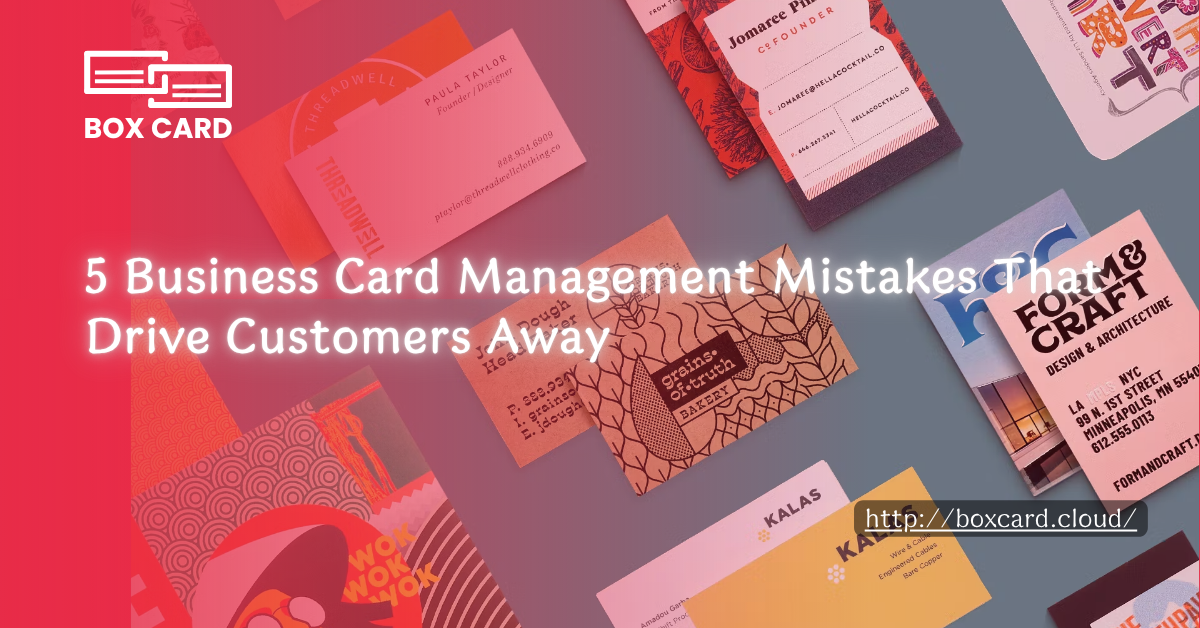
5 Business Card Management Mistakes That Drive Customers Away | Practical Data Management Strategies to Protect Sales Performance
Small mistakes in business card management can quietly lead to lost sales opportunities, weakened customer trust, and lower follow-up success rates.