The Biggest AI and Technology Conferences in the United States
A practical guide to the major AI and technology conferences in the United States, who should attend each event, and concrete steps to prepare and follow up. Includes networking tactics and recommended contact capture workflows using business card digitization tools.
Picking which AI or technology conference to attend in the United States can feel overwhelming. You want events where the talks match your role, the exhibitors include vendors you care about, and the networking will actually produce followable leads. This article lists the largest, most influential AI and tech conferences in the US, explains who should go to each one, and gives practical preparation and follow-up advice focused on making the most of your networking, including ready ways to manage the business cards and contacts you collect.
Which conferences make the list and why they matter
Below are conferences that consistently attract broad audiences, major vendors, and active networking. For each I explain who benefits most, what to expect, and a short checklist for preparation.
NVIDIA GTC
Who should attend: engineers and researchers working on deep learning, infrastructure architects, and executives evaluating GPU platforms and model deployment strategies.
What to expect: technical keynotes, hands-on sessions on model scaling and inference, industry-specific talks on healthcare, automotive, and robotics, and an exhibition hall full of hardware and software partners.
Prep checklist: identify sessions that cover inference and cost management; schedule meetings with vendor booths in advance; bring a plan for capturing follow-up contacts.
AWS re:Invent
Who should attend: cloud architects, platform engineers, data scientists focused on production systems, and technology leaders shaping cloud strategy.
What to expect: product announcements across cloud services, deep-dive workshops, certification opportunities, and many partner booths offering cloud migration and managed services.
Prep checklist: map sessions to use cases you own; prepare concise summaries of your current environment for vendor conversations; decide how you will import captured contacts into your tools.
Google I/O and Google Cloud Next
Who should attend: developers building on Google platforms, ML engineers using TensorFlow and Vertex AI, and product managers watching Google feature roadmaps.
What to expect: developer-focused talks, codelabs, partner demonstrations, and community events where you can meet engineers and product teams.
Prep checklist: choose a few sessions to deep-dive rather than attend too many at random; collect speaker contacts for follow-up questions.
Microsoft Build and Ignite
Who should attend: enterprise developers, IT pros, and teams integrating Azure services or Microsoft 365.
What to expect: platform roadmaps, enterprise case studies, workshops, and partner solutions for business automation and AI-infused apps.
Prep checklist: note which Azure services you want evaluated; plan short demos you can show booth partners so conversations start with specifics.
CES
Who should attend: product teams in consumer electronics, hardware startups, and companies looking for distribution or manufacturing partners.
What to expect: a vast show floor with hardware innovation, lots of consumer-facing demos, and press attention that can help raise visibility.
Prep checklist: choose a set of target booths, secure meetings, and prepare a short pitch and collateral for potential partners or press contacts.
SXSW
Who should attend: startups, product marketers, creative technologists, and people exploring cross-discipline collaborations between tech and media.
What to expect: a mix of talks, panels, and informal networking events where serendipitous meetings often lead to partnerships.
Prep checklist: plan meetups around panels you care about; be ready to trade contact details in different formats and follow up quickly.
TechCrunch Disrupt
Who should attend: early-stage startups, investors, and product managers who want exposure to VCs and press.
What to expect: startup pitches, panels on fundraising and growth, and investor-only networking sessions.
Prep checklist: polish a one minute pitch; bring clear follow-up actions for investor leads you collect.
NeurIPS and O Reilly AI Conference
Who should attend: academic researchers, applied ML practitioners, and teams evaluating advanced models for research or productization.
What to expect: high-signal technical content, poster sessions, and focused workshops where you can meet collaborators and potential hires.
Prep checklist: identify workshop papers in advance; set meetings with authors whose work you want to apply.
How to prepare to network effectively at large conferences
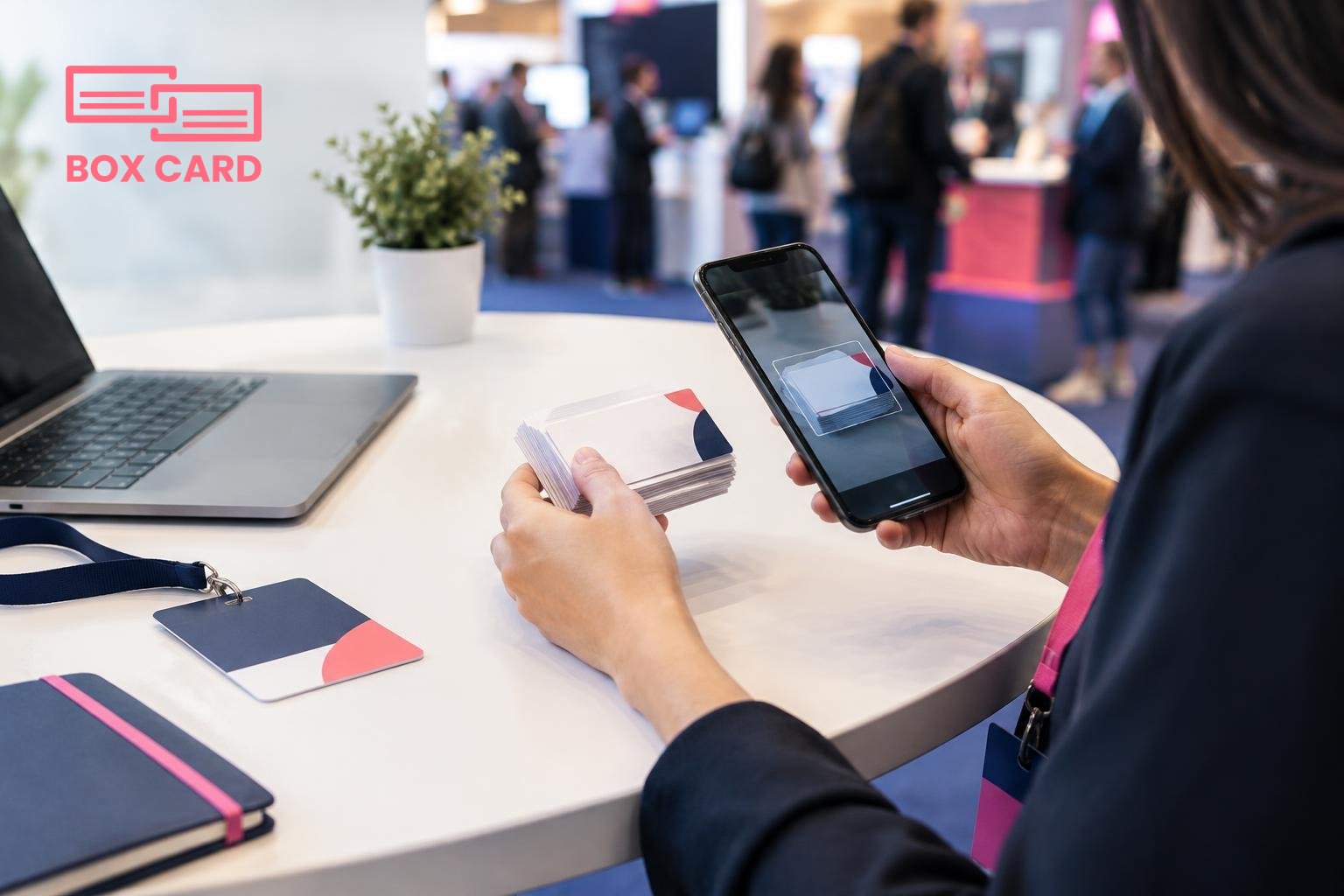
Collecting business cards is still common at conferences, but how you manage those cards determines whether a meeting becomes a customer, partner, or hire. Follow these practical steps.
- Decide your networking goal: immediate sales meetings, recruiting, partnership discovery, or learning. Prioritize meetings that match that goal and book them before the event.
- Bring fewer physical cards and more ways to share contacts digitally: a short LinkedIn-ready profile link, an email signature with a calendar link, and a business card scanning method ready to use.
- Choose a business card scanning strategy. Use a reliable business card scanning app or business card OCR app so cards you collect are digitized quickly and accurately. That saves hours of manual entry after the event.
- Tag contacts on the spot. Whether you use an app or take photos, add a short note after each conversation: topic, next step, and how you met. That context makes follow-up meaningful.
- Plan how contacts will flow into your systems. Look for CRM integration before the event if you want contacts imported automatically. If your app can export CSV or vCard files, test that export before you travel.
Which tools to use for business card capture and contact follow-up
At large conferences you need speed and accuracy. Apps that offer high-accuracy business card scanning capabilities and quick export options are the most useful. A few practical criteria for selecting a tool:
- Speed of capture: can you scan a stack of cards between sessions?
- OCR quality: does the business card OCR app reliably read names, titles, and company names?
- Tagging and notes: can you add meeting context immediately?
- Export options: does the app support the formats you need for your CRM or contact list?
- Cloud access: Cloud business card management is useful if you want the team to access conference contacts from multiple devices.
Boxcard is an example of a tool designed for business card digitization and organizing contacts at scale. Using a business card digitization app or a business card management app during the conference lets you move quickly from collection to action, and keeps your team aligned on follow-ups. If you want to evaluate tools before the show, test their speed, OCR accuracy, and export path with a few sample cards.
Follow-up workflow that actually produces results
Too many conference leads die because follow-up is slow or unfocused. Use this practical sequence within 48 hours of the event:
- Digitize and tag: scan each card into your chosen app and tag by conference, priority, and conversation topic.
- Sort quickly: filter to three buckets, for example: urgent sales follow-up, explore partnership, informational connect.
- Send a short, personal message: remind them where you met, reference the conversation, and propose a single next step with a suggested time window.
- Record the result: update your CRM or business card data management system with outcomes and next reminders.
- Review weekly: spend 30 minutes each week after the conference to push leads along until they are disqualified or converted.
Common mistakes to avoid
- Relying on memory. Without notes, context evaporates in a few days.
- Mass emailing everyone the same message. Personalization matters even for quick follow-ups.
- Letting contacts sit in an inbox. Integrate them with your follow-up system the same day.
- Failing to test tools. If your chosen app does not export in the format you need, you will lose time later.
Choosing which conferences to attend depends on your role and the outcomes you want. Attend the few that match your goals, prepare a short networking plan, and use a business card scanning app or business card management app to convert casual meetings into actionable leads. If you collect dozens of cards, pick a digitization workflow in advance: scan, tag, export, and follow up within 48 hours. That single habit separates conferences that produce lasting value from those that are just busy weekends away from the office.
