Tech Connect Live Ireland: Building New Business Relationships Through Technology Events
Attending Tech Connect Live Ireland is only the start. This guide shows a practical capture and follow-up workflow you can use at the event: what to do before you arrive, how to scan and qualify contacts on the spot, and how to process and prioritize leads within 48 hours.

You walked out of Tech Connect Live Ireland with a handful of business cards, a few LinkedIn connections, and a short list of promising conversations. The real work begins now: turning those quick introductions into customers, partners, or repeat collaborators. This article guides you through practical choices before, during, and after the event so you lose fewer leads and build more useful relationships.
Decide what success looks like for your event time
Not every contact is equal. Before you dive into scanning and follow-up, decide which outcomes matter most. Are you collecting sales leads, recruiting talent, finding vendors, or testing partnership ideas? Pick one primary goal and one secondary goal. That makes it easier to qualify contacts on the spot and later prioritize follow-up.
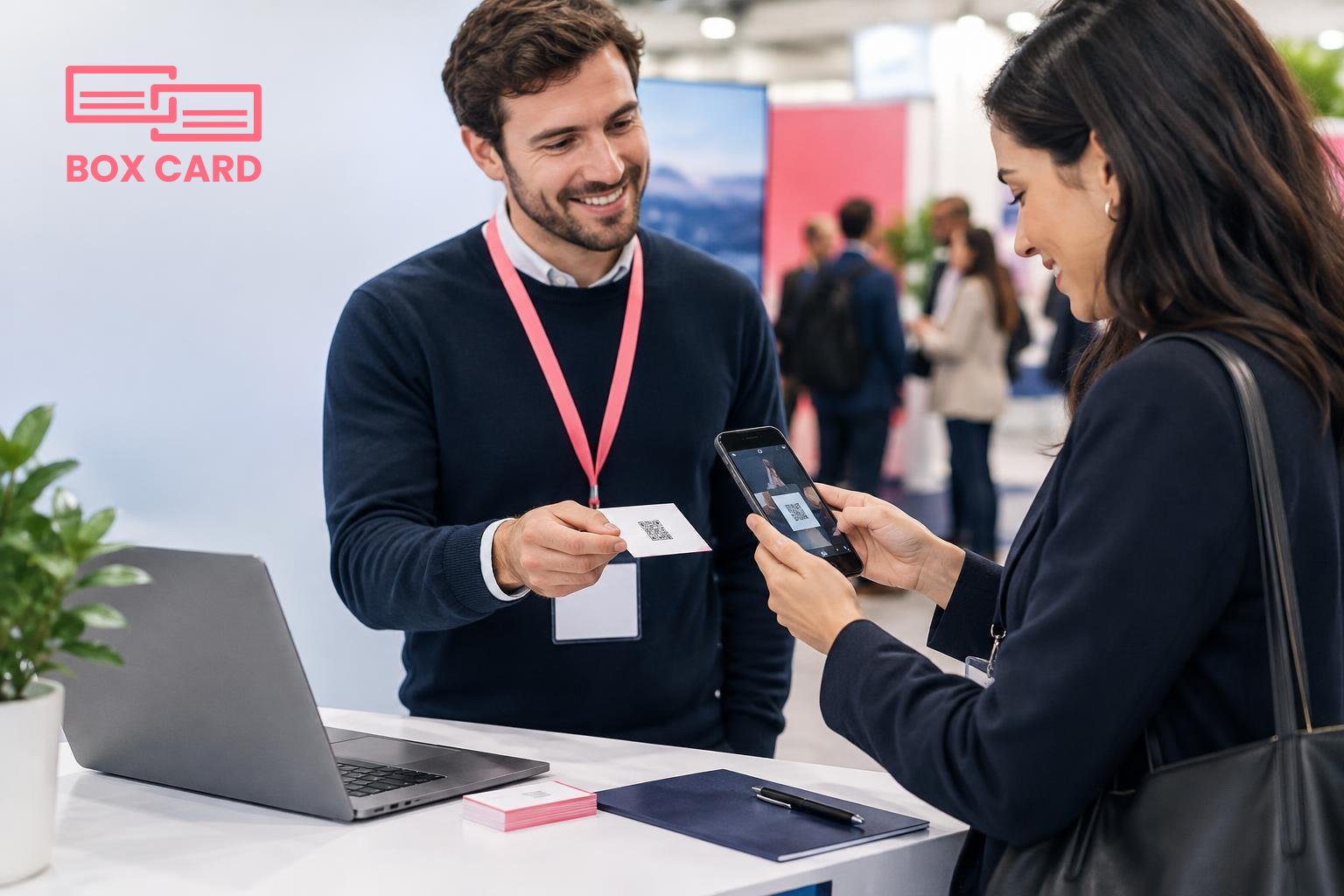
Before the event: set up a simple capture workflow
Two common mistakes at events: people collect cards without context, and they try to sort everything later. A short pre-event checklist fixes both.
- Install a business card scanning app on your phone, and test it once. Try both an AI business card scanner and a plain OCR tool if you can, then pick the one that reads cards from typical conference lighting.
- Decide where contact records will live after capture. Will you push them into email, a CRM, or a dedicated contact manager? Look for options that support CRM integration so you can avoid manual retyping later.
- Prepare a 20-second introduction that communicates what you do and what you want from a new contact. That makes it easier to qualify people fast.
- Bring a few paper cards and a digital alternative. Use a business card information sharing app or a QR link on your phone so you can exchange details where paper is inconvenient.
How to digitize business cards at the booth or in the corridor
Capture reliably, and capture context. Your scanning habit is the single biggest factor that determines how many contacts become real opportunities.
- Scan immediately. Use the business card scanning app you tested and save the record while you still remember the conversation. If you prefer a quick photo first, add a proper scan before you leave the venue.
- Add one-line context. After scanning, write a short note: source of the meeting, reason you should follow up, next step. If you use a business card management app this step takes only a few seconds.
- Tag or flag sparingly. Use simple tags such as "follow-up this week," "partnership," or "product demo." That makes sorting practical instead of overwhelming later.
- Respect consent. If you plan to add someone to a mailing list or CRM, mention it briefly while you meet them. Explicit permission reduces friction later.
Transfer, clean, and prioritize within 48 hours
Data quality falls off quickly. Commit to moving scanned cards into your working system within two days. The faster you act, the higher the response rate.
- Export or sync. If your chosen solution supports exports to CSV or has direct CRM connectors, use them. If not, export to a simple spreadsheet before importing into your CRM. This is where a clear business card data management system pays off.
- Resolve duplicates. Merge or mark duplicates before you compose follow-up messages. Duplicate contacts make outreach messy and reduce your credibility.
- Score and schedule. Assign a simple lead score and schedule the next action: send email, connect on LinkedIn with a message, propose a demo, or file for later contact.
Follow-up messages that actually get replies
Replace generic follow-ups with short messages that remind the person who you are and why you connected. A three-part template works well:
- One-line reminder of where you met and what you discussed.
- One concrete suggestion for next steps: a 15-minute call, an intro to a colleague, or a link to a relevant case study.
- One low-effort closing line: a question they can answer in one sentence.
Keep the first follow-up within 48 hours for warm prospects. For connections that were exploratory, a brief thank-you and permission to reconnect later is sufficient.
Tools and trade-offs to consider
Picking software is often less important than choosing a consistent process, but tools do matter when volume grows.
- If you want speed, use a high-accuracy business card scanning app that minimizes manual correction. Test a few and measure how often they misread names or emails.
- If your team prefers control, choose a business card management app that lets teammates add context and assign follow-ups. That supports Sales support business card management without creating a separate silo.
- If you need to hand off leads to marketing or sales, prioritize CRM business card management features or reliable export formats. CRM integration becomes essential when dozens of contacts must flow into an existing sales pipeline.
- Cloud business card management is convenient when multiple devices or team members must access the same records. If data privacy is a concern, check export and deletion options before you rely on a shared service.
- For low budgets, test Free business card management tools first, then upgrade as your needs grow. Many free options handle basic capture and export.
Boxcard can serve as your scanning and organizing step. Use Boxcard scanning app features to digitize cards on the spot and store basic context. If you already use a particular CRM or team workflow, choose tools that let you move data where your team works.
Common mistakes and how to avoid them
- Collecting cards and doing nothing: schedule a 30-minute block within 48 hours for processing scans and drafting follow-ups.
- Relying on memory: always add a context note to each record, even one short sentence. Memory fades fast after an event day.
- Over-tagging: use up to five tags. Too many tags make filters useless and slow you down.
- Skipping privacy checks: before syncing contacts to other systems, be sure you have consent for the intended use.
Bring one reliable capture method, and stick to it. Consistency is what turns a pile of cards into a pipeline.
Tech Connect Live Ireland is designed to create moments of connection. The difference between a fleeting exchange and a real relationship comes down to small habits: capture quickly, add context, prioritize ruthlessly, and follow up with an action that matters to the person you met. If you leave the event with a tested workflow and a 48-hour follow-up plan, you will turn more conversations into concrete outcomes.
