Hatonet expands its business network at the Vietnam-Asia Smart City Conference 2025
On December 24, 2025, the Vietnam-Asia Smart City Conference united stakeholders to discuss smart city development and enabled international networking and partnership opportunities.
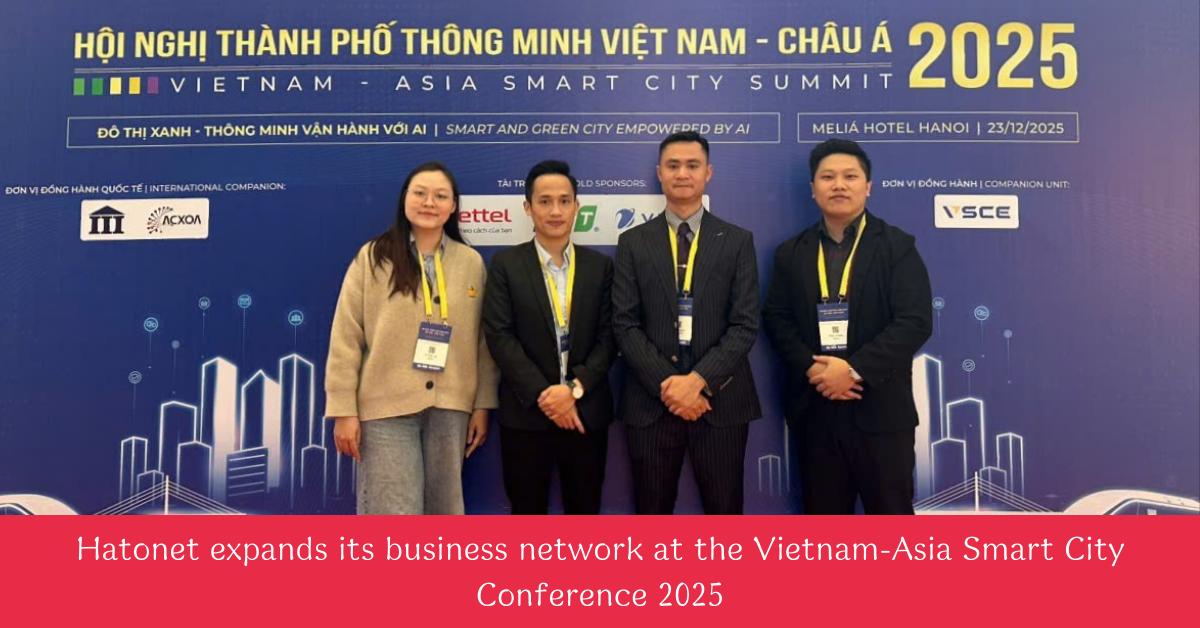
1.The role and significance of the conference
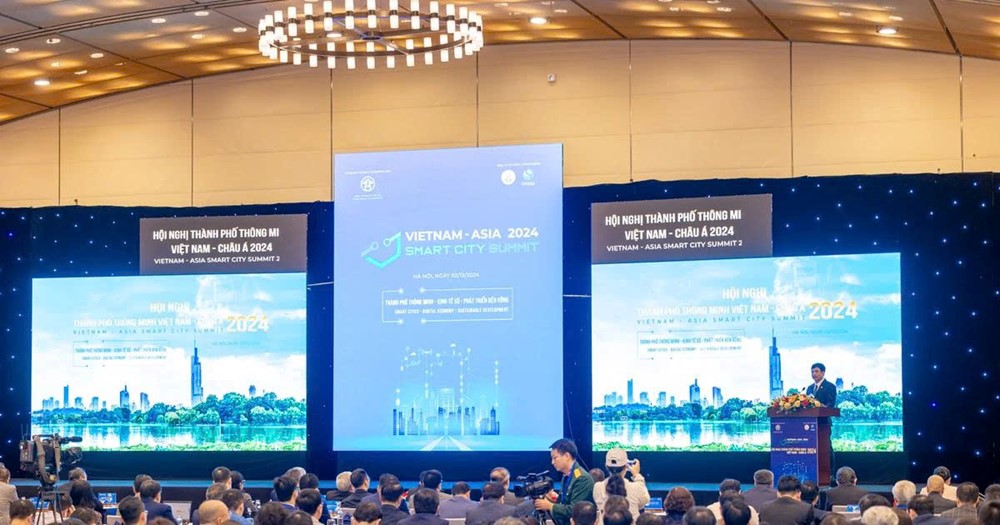
Smart city development is no longer solely about technological adoption; it is fundamentally about connecting cities, businesses, people, and data in a sustainable and integrated way. In recent years, smart city events have increasingly emphasized not only the sharing of technology and policies but also creating spaces for direct business connections.
Within this context, the Vietnam-Asia Smart City Conference 2025 served as a dual platform for both professional discussion and networking, underscoring its international relevance and impact.
2.Hatonet’s participation and networking opportunities
Hatonet attended the conference as an invited participant, using the opportunity to grasp the latest trends in smart city development while expanding its business network across Asia. Engagements went beyond formal greetings, focusing on practical discussions about business operations, future strategies, and collaborative opportunities. Even in the limited time available, these interactions led to meaningful connections and concrete possibilities for cooperation, illustrating the value of direct engagement in an international setting.
3.Conference activities and knowledge exchange
The conference featured multiple sessions and networking opportunities, allowing participants to exchange ideas freely. Key activities included:
・Sharing initiatives and case studies related to smart cities
・Discussing challenges and directions in urban development and digitalization
・Facilitating networking and direct meetings among business representatives
Given the time constraints, efficiently conveying company information and establishing clear communication channels were critical, and participants actively explored best practices for effective engagement.
4.International collaboration and business connections in Asia
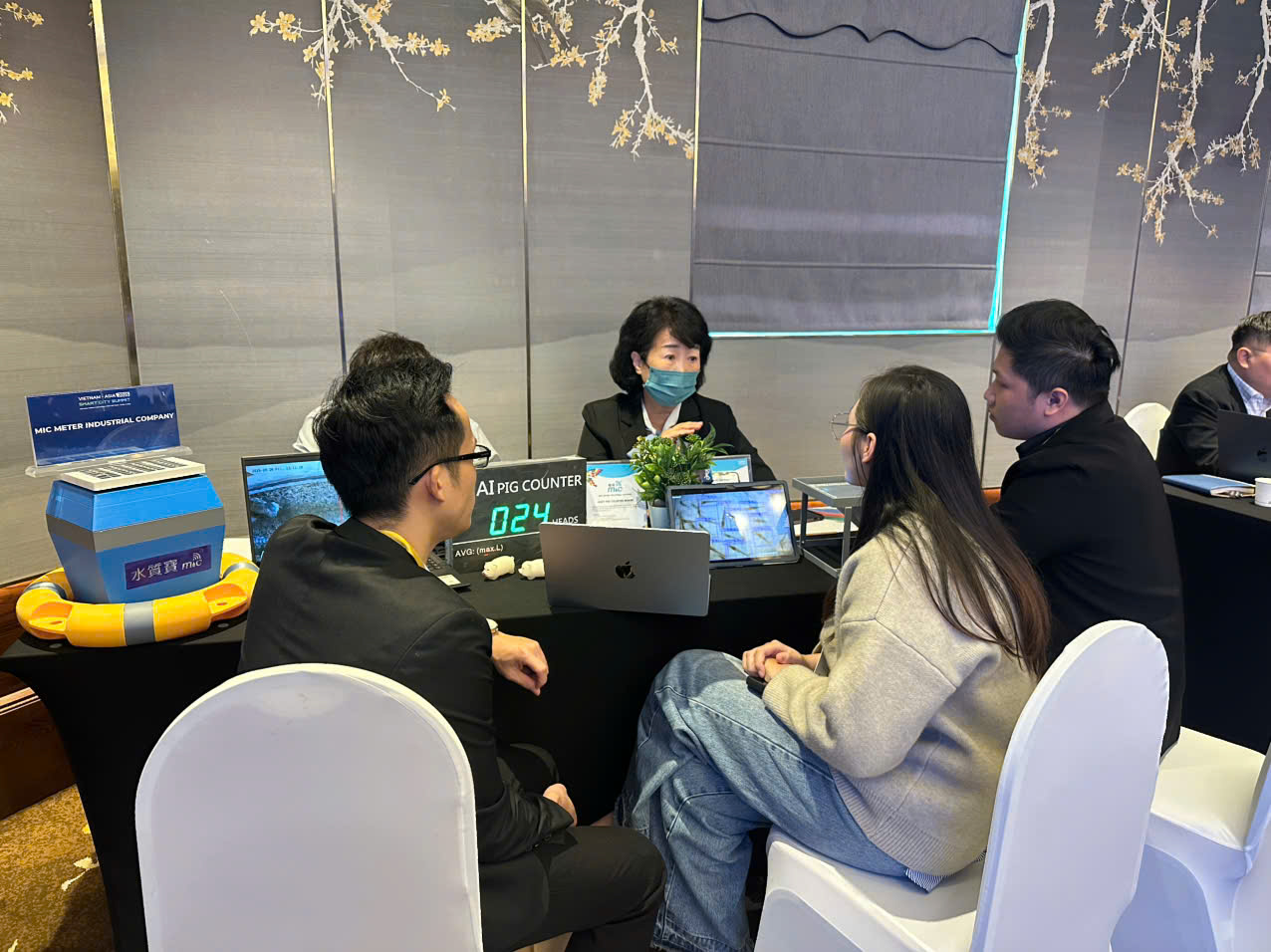
Enterprises from Vietnam, Japan, and other Asian countries attended, exchanging insights on trends and common challenges in smart city development. Hatonet’s participation fostered international business connections and collaborative opportunities. Even brief exchanges enabled the identification of concrete partnership prospects. Importantly, these interactions highlighted the significance of information sharing and network-building across countries and cultures, reinforcing the strategic value of international engagement.
5.Corporate communication in an international setting
At global conferences, limited time requires building trust quickly and sharing information efficiently. Many participants showed interest in digital and paperless methods for corporate introductions. Digital business cards and online profiles emerged naturally during networking sessions, supporting seamless communication and laying the groundwork for future collaboration. Such approaches ensure that international events create long-lasting relationships rather than one-off encounters.
6.Challenges and future directions identified at the conference
Discussions revealed both shared and distinct challenges in urban digitalization and smart city promotion, with a particular focus on data utilization, integrating urban infrastructure, and developing sustainable operational models. The efficiency of decision-making and information sharing in limited time frames also emerged as a key factor influencing the feasibility of corporate cooperation.
7.Looking ahead
Insights and networks gained from the conference suggest that future smart city projects in Asia will increasingly prioritize data standardization and effective, time-efficient information sharing. Knowledge and connections developed at international events serve as valuable strategic assets for cross-regional collaboration and planning.
The conference reaffirmed that smart city development depends on collaboration beyond individual companies, cities, and national borders. For Hatonet, participation not only provided visibility but also laid a foundational platform for long-term business partnerships in the Asian market.
